
One of the easiest digestive health tips to avoid issues like cramping, bloating, constipation and diarrhoea is to fuel up with foods that are good for digestion.
“The best way to do that is to have a well-rounded diet, have adequate fibre from a diverse source of fruit and vegetables of different colours that feed different bacteria in the microbiome,” says Suzie Finkel, RD, a dietitian at New York Gastroenterology Associates in New York City. The gut microbiome is where trillions of microorganisms, including bacteria, viruses, and fungi live in the digestive tract.
“When thinking of digestion, it’s good to look at avoiding foods that cause inflammation,” says Finkel. She suggests following an anti-inflammatory diet, which is beneficial to overall health, as well as digestion.
And there are more delicious foods good for digestion. Put the following nine superfoods on your plate and discover how with a little ingenuity, staying ‘regular’ can be delicious.
7 SUPERFOODS THAT HELP WITH DIGESTION
Sauerkraut
You may think of sauerkraut as just something to pile on a hot dog, but chomping on the popular condiment actually helps digestion. That’s because sauerkraut and other fermented foods contain beneficial bacteria called probiotics that make them easier to digest.
Many probiotic foods like sauerkraut also contain prebiotics, which feed the helpful probiotic gut bugs living in your colon. Other fermented fare you may want to try are kefir (made from fermented milk) and kimchi (Korean pickled cabbage).
“Fermented foods eaten as an appetizer are a staple of different traditional cultures because of how they prepare the GI tract for digestion,” says Finkel.
Beans
Fibre, it’s essential for digestion. It can help you prevent constipation and stay at a healthy weight, as well as reduce your risk of health conditions like diabetes, heart disease and certain cancers.
Beans, such as navy, kidney, and black beans, are an easy way to hit that daily target. Navy beans have a whopping 19 grams of fibre per cup.
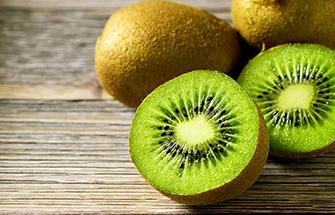
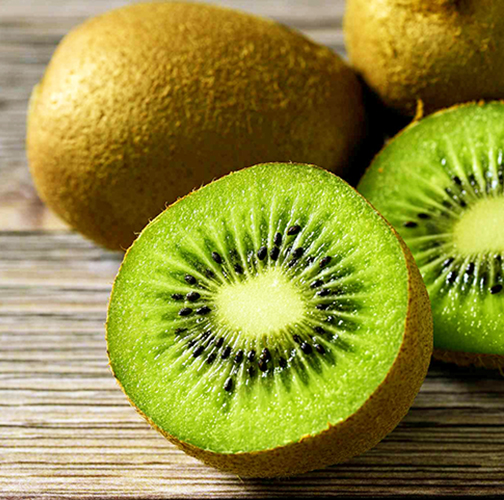
Kiwifruit
The fuzzy fruit packed with vitamin C is making waves in the gastrointestinal community since recent research found that people who ate two kiwis a day were relieved of their constipation better than patients who consumed prunes or psyllium.
The group assigned kiwis also had fewer negative side-effects and enjoyed their high-fibre food most.
“We really want people to use whole foods to help their digestion, and kiwis are a great way to help yourself out,” says Finkel. “They’re tasty, enjoyable, and easy to eat.”
Yoghurt
Our digestive tract is full of bacteria, fungi, and even viruses. As mentioned, the collection of these microorganisms live in delicate balance in the gut microbiome, which is why what you feed your microbiome can make a difference. Foods like yogurt contain probiotics, which help support your microbiome.
“We encourage probiotics,” says the gastroenterologist Peter L. Moses, MD, a Professor in the Division of Gastroenterology and Hepatology at the University of Vermont College of Medicine in Burlington.
If you’re not a yogurt fan, don’t fret: Dr. Moses says that some supplements contain better strains of probiotics, but he adds a disclaimer. “The evidence for a therapeutic effect of probiotics alone is lacking. Like any non-scientific therapeutic, probiotics are encouraged when they are part of a program that patients find clearly helpful for symptoms. Such a program may include prebiotic fibre and other proven recommendations.”
Fish
Fish containing omega-3 fatty acids can benefit not only your heart, but your digestive tract as well because the omega-3 fatty acids help tamp down inflammation.
To start, you can try to move toward an anti-inflammatory Mediterranean diet and add fatty fish like wild-farmed salmon, tuna, herring, sardines, and mackerel to your diet.
Turmeric
Turmeric, a spice with an earthy flavour that’s loaded with curcumin, has anti-inflammatory properties shown to help in a range of conditions triggered by inflammation, including heart disease, inflammatory bowel disease (IBD), and even depression.
Research also notes that curcumin helps regulate the gut microbiota, bring relief to people with IBD, and reduce inflammation that could likely lead to colon cancer.
“Curcumin is a potent anti-inflammatory that can help soothe the digestive tract when you are suffering from an inflammation-related issue,” says Finkel.
If you’d like to incorporate turmeric into your diet, try adding the spice to vegetable dishes, soups, stews or curries.

Ginger
A traditional Asian remedy for tummy aches and nausea and a favourite condiment used in Asian cuisine, ginger is also a powerful anti-inflammatory, making it another good food for digestion and a natural digestive aid.
And there’s research to back up ginger’s benefits: Ginger is a food that helps digestion by speeding up the process that moves food from the stomach into the upper small intestine. Research notes that several studies found ginger was associated with improved digestive functioning. It also pointed to studies that found ginger reduced nausea, motion sickness, and the risk of colon cancer.
Peppermint
Soothing, aromatic peppermint may help ease indigestion as well as some symptoms of irritable bowel syndrome, making it a go-to natural treatment for gastroenterologists. “It’s inexpensive, non-addictive with little to no side-effects, and it’s highly effective,” says Brian Lacy, MD, a Gastroenterologist at the Mayo Clinic in Jacksonville, Florida.
Peppermint oil can be included in many recipes or even tea, but more often is taken as a coated supplement, which allows it to pass into the digestive tract without causing heartburn.
Taking peppermint oil (in small intestinal release form) for at least four weeks has been shown to significantly reduce IBS symptoms. It appears to work as an anti-spasmodic, smoothing out and relaxing the bowels.
Fluids
Fluids play an essential role in partnership with fibre to get solids through your system since water helps your body break down and digest food.
“Hydration and water are friends,” says Finkel. In fact, one of the easiest digestive tips to follow is to stay hydrated throughout the day. Water is a great choice to speed digestion, but almost any non-alcoholic fluid will do.
Be careful with caffeinated beverages and sodas if you have reflux – they can be triggers for heartburn, and caffeine acts as a mild diuretic.
SOURCE: Everyday Health