
Eat more fibre. We’ve all heard this advice, so we assume fibre must be good for us. The problem is that fibre and flavour may seem like opposites – and for many of us, flavour is the typical driver of food choice. But the reality is that fibre can have flavour, along with medicinal effects that reduce and prevent common diseases. In this article, let’s take a look at exactly what fibre is and how it functions in the body.
Importance of Fibre
Fibre is a macronutrient and a type of carbohydrate found naturally in plant-based foods that is not digestible in humans.
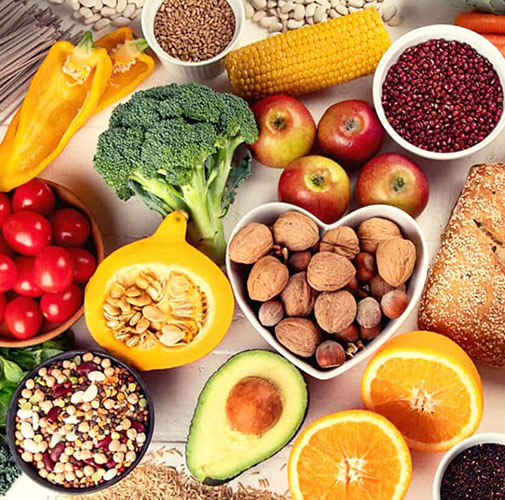
Plant-based foods that are rich in fibre, for example, fruit, vegetables, whole grains, beans and legumes, nuts and seeds, also contain vitamins, minerals, and other powerful nutrients the body can use for optimal health.
Although fibre cannot be digested, it moves down the digestive tract with nutrients as they’re digested, and does some great things to positively impact our health along the way.
The appropriate level of fibre to eat for most adults today is between 22 and 34 grams (g) per day, depending on age and sex.
FUNCTIONS OF FIBRE
Fibre is a key nutrient that plays various roles in our health. Here are some examples:
It May Improve Digestion
Fibre is like nature’s scrubbing brush. It keeps your body’s pipes clear and reduces carcinogenic activity.
Another benefit of having sufficient fibre in your diet is a reduced risk of diverticulitis, a condition in which pouches in the colon become infected. Fibre keeps food clear of pouches and moving through the digestive tract.
If you’re at risk for diverticulitis, this study suggests aiming for 30g of fibre per day to prevent the condition.
Fibre May Help With Healthy Weight Maintenance
Research suggests that fibre can play a major role in body weight. One study published in the October 2019 Journal of Nutrition found that among overweight or obese adults, those who ate more fibre while restricting calories had greater weight loss success, and fibre helped them stick to their diet.
Foods high in fibre also tend to be lower in energy density, meaning they’ll help you feel full without excessive calories, according to the U.S. Food and Drug Administration (FDA). This concept is at the core of why a higher-fibre diet is associated with a lower rate of obesity, according to the Academy of Nutrition and Dietetics.
Fibre May Help Prevent or Manage Certain Conditions
As the Mayo Clinic points out, you may improve or prevent health conditions such as prediabetes, diabetes, high cholesterol, obesity, and various digestion-related issues like constipation and colon cancer, by simply increasing fibre in your diet. More specifically, fibre may play a role in warding off colorectal cancer.
Fibre May Increase Your Life Span
Fibre may actually help you live longer, per a study in the May 2020 American Journal of Clinical Nutrition. Studies note that people who eat a higher intake of fibre tend to have lower rates of heart disease, metabolic disease, mood disorders, and risk of colorectal cancer.
TYPES OF FIBRE
There are two types of fibre: soluble and insoluble. While both are important, the two function differently in the body. Here’s how.
Soluble Fibre
Soluble fibre is a type of fibre that attracts water and forms a gel. This gel causes a slowing of the digestion process, which can be beneficial for weight loss. Foods high in soluble fibre include oats, legumes, edible plant skins, and nuts.
Insoluble Fibre
Insoluble fibre is the type of fibre that repels water. You can find insoluble fibre in foods such as veges, fruit, nuts and seeds, wheat bran, and whole-grain foods like whole-wheat pasta and brown rice. Its primary benefit is to provide bulk to stool and aid in the movement through the digestive tract.
HOW MUCH FIBRE DO YOU NEED?
According to the Dietary Guidelines for Americans 2020–2025, people should generally consume 14g of fibre per 1,000 calories eaten. Here’s how the DGA breaks that down per group.
- Infants, ages 6 to 11 months: n/a
- Toddlers, ages 12 to 23 months: 19 g
- Children, ages 2–3 years: 14 g
- Children, ages 4–8: 17 g (female), 20 g (male)
- Children, ages 9–13: 22 g (female), 25 g (male)
- Adolescents, ages 14–18: 25 g (female), 31 g (male)
- Adults, ages 19–30: 28 g (female), 34 g (male)
- Adults, ages 31–50: 25 g (female), 31 g (male)
- Adults, ages 51+: 22 g (female), 28 g (male)
- Pregnant or nursing people: 25–34 g, depending on age and trimester

THE HEALTHIEST FOOD SOURCES OF FIBRE
Natural foods containing fibre typically have a combination of soluble and insoluble fibre with the majority coming from soluble fibre. To lower your blood cholesterol by 5 to 11 points, aim to take in at least 5-10g of soluble fibre per day.
Here are some food sources of fibre, along with how much of the DV of fibre they offer, according to the 2020–2025 Dietary Guidelines for Americans.
Fruit
- Passion fruit (½ cup): 3 g, 12 percent
- Raspberries (½ cup): 4 g, 16 percent
- Blackberries (½ cup): 4 g, 16 percent
- Kiwifruit (½ cup): 3 g, 12 percent
- Boysenberries and gooseberries (½ cup): 3.5 g, 14 percent
- Pear (1 medium): 6 g, 24 percent
- Prunes (? cup): 2 g, 8 percent
Vegetables
- Artichoke (½ cup): 5 g, 20 percent
- Lima beans (½ cup): 5 g, 20 percent
- Green peas (½ cup): 4 g, 16 percent
- Lentils (¼ cup): 4 g, 16 percent
- Kidney beans (¼ cup): 3 g, 12 percent
- Sweet potato (½ cup): 3 g, 12 percent
Nuts and Seeds
- Chia seeds(1 teaspoon [tsp]): 1 g, 4 percent
- Flaxseeds (1 tsp): 1 g, 4 percent
- Pumpkin seeds (½ ounce [oz]): 3 g, 12 percent
- Almonds(½ oz): 2 g, 8 percent
Grains
- Bran flakes cereal (¼ cup): 2g, 8 percent
- Shredded wheat (½ cup): 3g, 12 percent
- Popcorn (1 cup): 2g, 8 percent
- Whole-wheat crackers (½ oz): 2g, 8 percent
FIBRE SUPPLEMENTS – SHOULD YOU TAKE THEM?
Doctors often prescribe fibre supplements for the treatment of irritable bowel syndrome (IBS) or constipation. These supplements are considered functional fibres that are isolated from plant sources.
- Metamucil (psyllium) is a type of soluble fibre supplement you can use to bulk stool and encourage regular bowel movements.
- Dextrin is a type of soluble, prebiotic fibre found in products that promotes good bacteria for overall digestive health.
TIPS FOR INCORPORATING MORE FIBRE INTO YOUR DIET
You can hit your fibre goal by incorporating fibre-rich foods into your meals and snacks. Here’s how.
Make Your Grains Whole
When you’re eating a carb, think, how can I make this higher in fibre? Try changing refined white versions for whole grains, and also choose whole-grain bread over white, brown rice instead of white rice, and whole-wheat pasta over traditional white pasta.
Change Your Snack Choices
Midday snacks are a great opportunity to sneak in more fibre, such as with sliced, raw veges. You can also slice veges into wraps and sandwiches.
Rely on Beans
Beans are an excellent source of fibre, and can be added to a variety of dishes. Grab a few of those vege slices and dip them into bean or hummus dip for a double-dose of fibre.
Sprinkle It On
Flaxseeds and chia seeds are foods that double as fibre supplements – and they’re easy to add to oatmeal, in smoothies, and on salads, toast or to have with yogurt. One tablespoon of ground flax offers 2g of fibre. An ounce of chia seeds has a whopping 10g of fibre.
Opt for Fruit as Dessert
Fruit is packed with fibre. Try a bowl of berries, a ripe, juicy pear, or grab a spoon and dig into a kiwifruit.
WHAT HAPPENS IF YOU DON’T GET ENOUGH FIBRE?
One of the main consequences of skimping on fibre is constipation. In fact, it’s such a big public health problem, scientists say, that one report found if American adults upped their intake to 25g of fibre per day, it could save $12.7 billion dollars in healthcare costs related to constipation.
WHAT HAPPENS IF YOU GET TOO MUCH FIBRE
As with everything else in life, too much fibre can be harmful to your health. too much fibre causes gas, bloating, and diarrhoea. A sudden increase in fibre, inadequate fluid intake, and inactivity may also increase the likelihood of these symptoms.
SOURCE: Everyday Health