
Modifications to your diet may help relieve stiff, inflamed joints. Discover which foods to eat to prevent or reduce RA symptoms.
The most troubling symptoms of rheumatoid arthritis – pain, stiffness, and swelling – stem from the same source: inflammation. What to do? Part of the answer may involve your diet.
Research has shown that anti-inflammatory diets, like the Mediterranean diet, result in significantly lower pain than ordinary diets in people with RA.
Diet can also improve RA disease activity by reducing inflammation and oxidation (in which excess free radicals start to damage your body’s cells and tissues), and by beneficially affecting gut health.
There’s evidence that diets high in polyunsaturated fatty acids and plant fibre (think omega-3 fatty acids and lots of fruits and vegetables) may reduce disease activity.
It’s also thought that both fibre and polyunsaturated fatty acids can lower levels of C-reactive protein (CRP), which is an indicator of joint inflammation.
And studies have found that regularly eating fish high in omega-3s, such as salmon, herring, mackerel, trout, and tuna, as part of the Mediterranean diet, may decrease swollen joints and tenderness.
“While changing your diet probably won’t reduce inflammation enough for you to forgo other RA management treatments, it can help reduce the amount of medication needed and the side effects of the medication,” says Lona Sandon, PhD, RDN, an Associate Professor in the Department of Clinical Nutrition at the University of Texas Southwestern Medical Center in Dallas, who is also an RA patient. And, Dr. Sandon adds, eating well has never been known to make any condition worse.
Read on to find out what foods could ease your symptoms and keep you healthy.
Olive Oil May Work in Much the Way NSAIDs Do
Olive oil has been found to have a beneficial anti-inflammatory effect, as a key part of the Mediterranean diet.
Researchers have found that oleocanthal, a compound in extra-virgin olive oil, appears to suppress the same pain pathway as non-steroidal anti-inflammatory drugs (NSAIDS), such as ibuprofen, which makes it a great oil for use in cooking foods, or in recipes like salad dressings as part of your daily management plan when living with pain.
In a study of Italians with RA, higher consumption of olive oil had a favourable (though not statistically significant) effect on disease activity. But the benefits were stronger for patients with more severe RA or longer-standing RA activity.
Vitamin C Is Important for Tissue Repair
“Vitamin C is a dietary component necessary for the synthesis of collagen, which helps build and repair blood vessels, tendons, ligaments, and bone, and is therefore helpful for people with osteoarthritis,” Sandon says.
Aim for a total vitamin C intake of 75 milligrams (mg) per day for women and 90 mg per day for men, the current U.S. recommended dietary allowance.
If you’re pregnant, aim for 85 mg, and if you’re lactating, 120 mg.
Citrus foods, such as oranges, grapefruit, lemon, and limes, are rich in vitamin C, and are also good sources of inflammation-fighting antioxidants, which are beneficial for those with rheumatoid arthritis.
Citrus however, may interfere with the body’s ability to process certain RA medications, such as oral cyclosporine and possibly methotrexate. Research has shown that regular consumption of grapefruit juice blocks the protein known as CYP3A4 that helps the body metabolise cyclosporine. Other research has suggested that other citrus juices, like those made from Seville oranges, limes, and pomelos, may also affect how CYP3A4 works in the body.
“If you’re taking meds that can be affected by citrus, you may need to get vitamin C from other sources such as tomatoes, peppers, melons, strawberries, kiwi, or potatoes,” Sandon suggests. A half cup of cooked broccoli, for example, has over half of the recommended vitamin C daily value.
“Another option,” notes Sandon, is to avoid taking your medication with citrus juices. “Instead, have the juice or citrus fruit at another time of day.”
Talk with your healthcare provider to figure out what’s best for your diet and medication routine.
Berries Are High in Antioxidants and Inflammation-Fighting Potential
Sandon recommends that you make one or more servings of fresh or frozen berries, such as blueberries, raspberries, strawberries, blackberries, or huckleberries, part of your daily diet.
These little fruits pack powerful antioxidant compounds, like proanthocyanins and ellagic acid, which fight inflammation and cell damage. “The amount and combination of the compounds vary by the type of berry, so make variety your goal,” Sandon says
Berries and other ‘superfruits’ you’ve heard about can be expensive however. But ordinary, accessible fruits like apples, grapes, and bananas also provide anti-inflammatory antioxidants.
Carrots Pack Anti-Arthritis Vitamin A and Beta-Carotene
“Add carrots, squash, and sweet potatoes to your anti-arthritis shopping list too,” Sandon says. These and other orange-hued vegetables are rich in vitamin A and beta-carotene, both of which are believed to fight inflammation. Cooking seems to increase the availability of these compounds.
For the biggest benefit, eat these vegetables on a regular basis in recommended serving sizes rather than overdoing it by eating them in large quantities. A single serving of carrots is ½ cup, or about 1 large carrot or 7 to 10 baby carrots.
Whole Grains May Help You Lose Weight and Lessen Pain
“Much has been made of the health benefits of whole grains, and for good reason,” Sandon says.
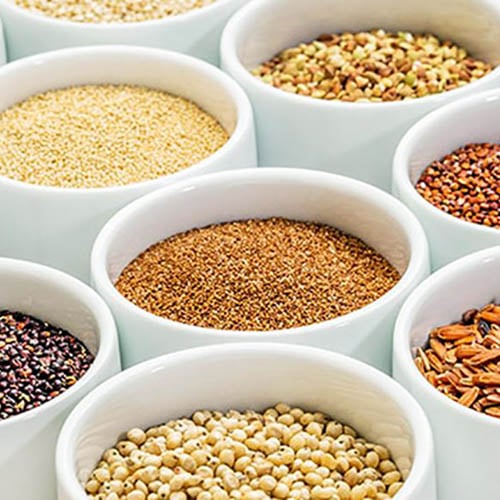
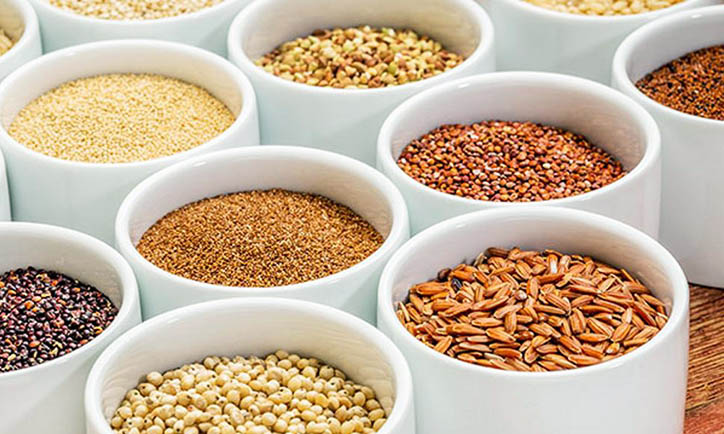
Whole grains are simply grains that still have all three parts of the original grain: the bran (outside hull), endosperm, and germ.
Whole grains are better sources of fibre and other important nutrients, such as selenium, potassium, and magnesium, than refined grains. In addition, a diet rich in whole grains has been linked to better weight control, which can reduce the pain and symptoms of RA.
“So switch from white bread to whole wheat bread, and from regular pasta to whole grain pasta,” Sandon says.
Also add other whole grains to your menu, like a bowl of oatmeal in the morning or a bulgur salad in the evening. Brown rice, barley, farro, and quinoa are also good whole-grain options.

Ginger: Spice Up Your Dishes to Turn Down the Flame
Ginger contains compounds that function in much the same way as non-steroidal anti-inflammatory drugs, such as ibuprofen.
This versatile root adds flavour too. Add fresh peeled ginger to stir-fries, eat pickled ginger along with salmon sushi, or puree some and add it to an acorn squash soup.
Ginger supplements can also help reduce inflammation, but check with your doctor before taking them. Too much ginger may lead to thinning of the blood, which can be dangerous if you are taking certain drugs, like warfarin (Coumadin). It may also decrease blood sugar levels, raising the risk of hypoglycaemia. In addition, ginger may lower blood pressure, which could affect those taking high blood pressure medication.
Pineapple: This Fruit’s Enzymes Can Decrease Swelling
“Pineapple is rich in vitamin C and the enzyme bromelain, which has been linked to decreased pain and swelling in both osteoarthritis and rheumatoid arthritis,” Sandon says.
So add this tropical fruit to your diet every chance you get.
Try it in fruit salad, baked in savoury dishes, blended into a smoothie or juice, or added to stir-fries to give a sweet-and-sour zing.
Bromelain is also available in supplement form, but check with your doctor before taking it because it can increase the risk of bleeding, especially if you also take blood thinners such as clopidogrel (Plavix), warfarin, or aspirin. Bromelain may also interfere with the action of antibiotics and sedatives.
Turmeric: This Spice May Cool Inflammation
The Indian spice turmeric contains curcumin, a naturally occurring polyphenol. While more research needs to be conducted, studies examining the effectiveness of curcumin supplements as a complementary treatment in rheumatoid arthritis patients found that curcumin was beneficial for managing the condition, and was shown to improve symptoms such as swollen or tender joints and signs of inflammation.
The jury is still out on how much is needed to get the beneficial effect, but why not add it to your cooking to jazz up the flavour?
Green Tea: A Nice Cuppa May Soothe Your Joints
Green tea has an abundance of catechins that interrupt the activation of inflammation pathways.
It has been studied in relation to rheumatoid arthritis and research suggests that consuming green tea has an overall anti-inflammatory effect. One study found that a higher intake of green tea was associated with less disease activity.
A number of other teas, such as black tea and ginger tea, also have anti-inflammatory properties. And when you make tea yourself and don’t add anything to it, it’s a low calorie beverage with no inflammatory fats, carbohydrates, or sweeteners.
Cherry Juice May Increase Antioxidants
Research notes that there’s “reasonably strong” evidence that the consumption of cherries (in various forms) decreases markers of inflammation and oxidative stress. But the anti-inflammatory polyphenols in cherry products also vary, depending on the formulations.
In moderation, cherry juice is a healthy food, so drink up. Add it to a seltzer for a refreshing libation instead of sodas.
Walnuts Are Packed With Inflammation-Fighters
A review of research suggests that walnuts contain a “considerable amount” of polyunsaturated fatty acids (including omega-3 fatty acids), flavonoids, and phenolic compounds and “have a remarkable potential to alleviate oxidative stress and inflammation.”
While this review didn’t specifically look at people with RA, researchers say that walnut consumption “improves inflammation markers, enhancing cellular health and reducing the risk of chronic diseases linked to these processes.
Therefore, a balanced diet with walnuts may provide significant health advantages and improve general well-being.”
The Arthritis Foundation notes that walnuts are particularly beneficial to people with RA because they’re high in omega-3.
The Takeaway
- Rheumatoid arthritis symptoms like pain, stiffness, and swollen joints are caused by inflammation in the body, and your diet can greatly affect inflammation.
- People with RA who follow anti-inflammatory eating habits, like the Mediterranean diet which is full of whole grains, olive oil, fruits and vegetables, legumes, and fish high in omega-3 fatty acids, have lower pain and less disease activity than those on ordinary diets.
- Certain foods may be especially beneficial to people with RA for the nutrients and antioxidants they contain. These include fruit and veges like pineapple, citrus fruits, carrots, and berries, along with ginger, turmeric, olive oil, and walnuts. Whole grains may help control weight.
- Green tea and cherry juice are beverages loaded with antioxidants that can also counteract inflammation.
SOURCE: Everyday Health