
If you were recently diagnosed with Alzheimer’s disease, now is a good time to evaluate your eating habits.
Revamping your diet during the early stages of the disease can slow down your rate of cognitive decline – the memory and thinking problems that come with Alzheimer’s and other neurodegenerative diseases.
Eating well can also help you control conditions that can worsen brain changes, such as high blood pressure.
Consider making the following diet changes to keep your brain as healthy as possible:
1. Try the MIND Diet
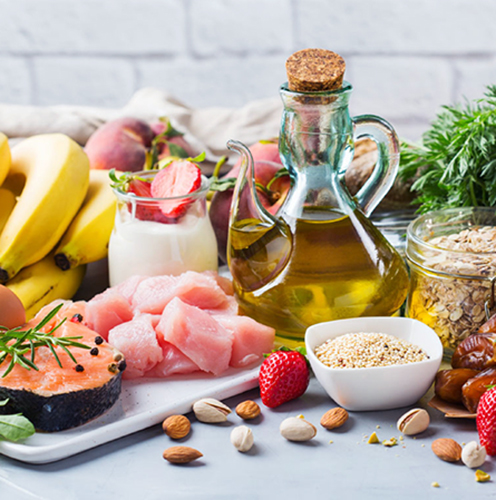
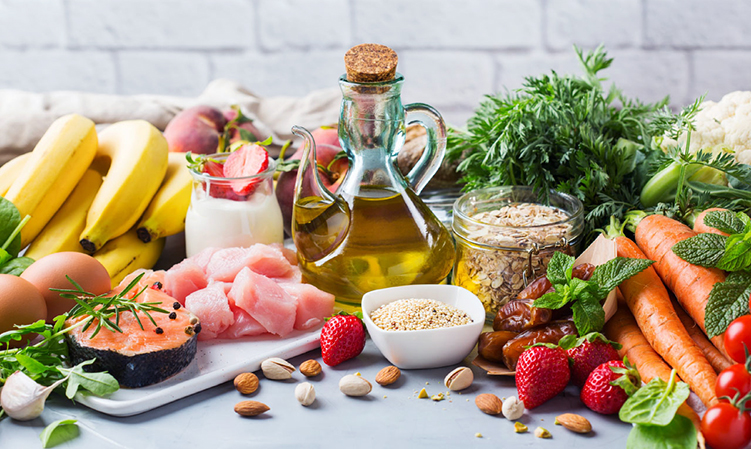
Research shows that following the MIND diet – a hybrid of the Mediterranean and DASH (Dietary Approaches to Stop Hypertension) diets – may slow age-related cognitive decline by 7.5 years. The diet emphasises eating fruit and vegetables, beans and nuts, fish and poultry, low-fat dairy products, and whole grains.
To follow the diet, you should eat:
- 6 or more servings of leafy green vegetables per week
- At least 1 serving of other vegetables per day
- 2 or more servings of berries per week
- 5 or more servings of nuts per week
- 3 or more servings of whole grains per day
- Fish (not fried) once per week
- Beans in 1 to 3 meals per week
- Poultry (not fried) in about 1 meal per week
The diet also limits certain foods:
- Less than 1 tablespoon of butter or margarine per day (make olive oil your primary oil instead)
- Less than 1 serving of cheese per week
- Red meat and related meats less than 4 times per week
- Fried and fast food less than once a week
- Less than 5 servings of pastries and other sweets per week
- 1 glass of wine per day
MIND diet foods contain nutrients that boost brain health, says Molly Robinson, RD, who specialises in nutrition for people with dementia. For example, fish contains anti-inflammatory omega-3 fatty acids, which support cognitive function and memory.
Whole grains, vegetables, and fruit – especially berries – are rich in brain-protective antioxidants.
“The MIND diet emphasises blueberries, because they contain antioxidants and anthocyanins, which can really benefit the brain,” says Robinson.
Anthocyanins (which act as antioxidants in the body,) help fight off harmful, cell-damaging molecules called free radicals and might protect brain tissue by reducing inflammation and boosting the brain’s blood flow.
Some research has also found that older adults with cognitive impairment who ate higher amounts of anthocyanins did better on a memory test than those whose diets included lower amounts of anthocyanins.
2. Make Heart-Healthy Diet Choices
The heart and brain are more interdependent than once thought, according to an American Heart Association report. Heart problems may be linked to inflammation and blood flow problems that can harm brain tissue.
“One thing we’re learning from research is that when we control high blood pressure, heart disease, and diabetes better, we also reduce our risk for dementia,” says Robinson.
The good news is that the MIND diet isn’t just good for your brain. It can also reduce your risk of cardiovascular disease, according to some research.
One reason? The MIND diet prioritises fresh, whole foods over highly processed ones. This style of eating can reduce the amount of saturated fat and salt in your diet, which can protect your heart and brain, says Robinson. A high intake of saturated fats has been linked to high cholesterol and strokes. Reducing salt intake can curb high blood pressure.

3. Eliminate Alcohol
If you take a few sips of champagne once a year at a wedding or other special occasion, that’s probably okay. Otherwise, try to avoid alcohol.
“Once someone is having memory problems, we really recommend abstaining from alcohol, because it’s essentially a toxin to the short-term memory centres of the brain,” says Elizabeth Bevins, MD, PhD, a neurologist and assistant professor of neurosciences at the University of California in San Diego.
4. Prioritise Hydration
Hydration is essential for your overall health, and research shows a link between hydration and the brain’s executive function.
To stay hydrated, take small sips of water throughout the day.
If you’re having trouble remembering, establish a routine by pairing drinking water with activities like watching your morning TV show or having an afternoon snack.
If you don’t like water, you can make it more interesting by infusing it with fruit, such as lemon or strawberries.
You can also try eating more food that has a high water content, such as grapes, oranges, watermelon, soups, and smoothies. Many MIND diet foods, such as fruit and spinach taste great in smoothies.
5. Make Small, Lasting Changes
Overhauling your diet all at once may be too overwhelming, so start with just one healthy change at a time.
“Get the hang of that change and then add on something else that you’re working to reduce or include more of,” says Robinson.
It can help to focus on what to eat more of, for example, fresh fruit and vegetables versus what to cut, she says.
With the MIND diet, “Even a moderate adherence could slow down the progression of dementia, so it’s worth it to try to include these things that are recommended and relax in other ways if needed,” concludes Robinson.
SOURCE: Everyday Health