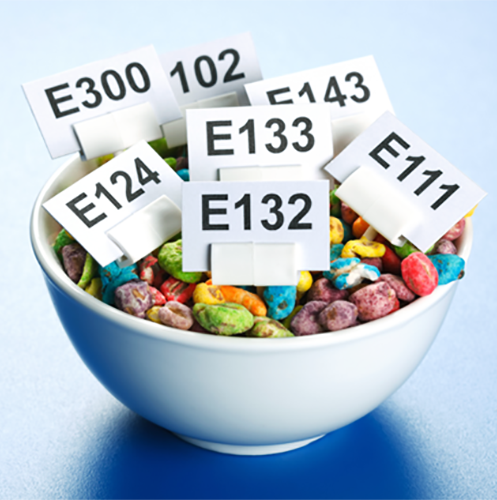
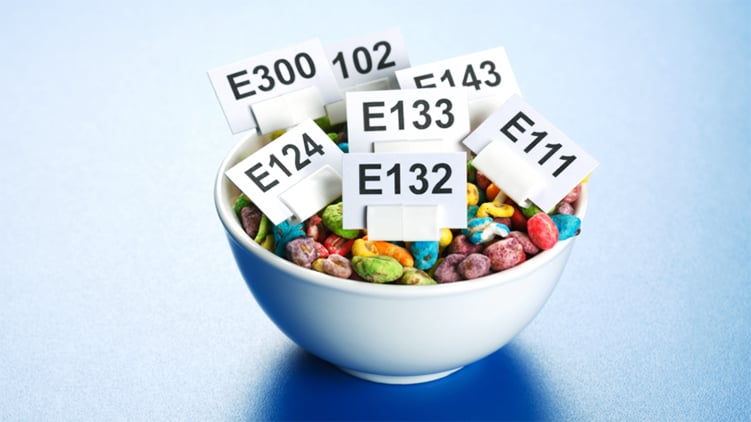
From ‘veggie crisps’ to chips boasting ‘natural flavours’ and ‘baked, not fried,’ Australians are increasingly drawn to snacks marketed as healthier alternatives. But a closer look at the ingredients often paints a different picture – and one that’s far less appetising.
Enter Box Divvy, a rapidly growing, community-led food co-op that’s transforming the way Aussies think about their pantry. With over 330 community-run hubs across New South Wales and the ACT, Box Divvy is bringing transparency, affordability, and integrity back to the Australian grocery aisle. It’s more than just a food co-op – it’s a movement.
The Hidden Truth Behind Your Favourite Snacks
“People want healthier options, but they’re often misled by clever marketing,” says Jayne Travers-Drapes, Co-Founder of Box Divvy.
“A lot of these ‘healthy’ snacks don’t contain real vegetables – they’re ultra-processed pastes. What you’re buying isn’t food; it’s a façade.”
It comes as no surprise. Supermarket shelves are flooded with products that look like they belong in the health food aisle, but a closer inspection reveals additives that keep us hooked, from hidden flavour enhancers to reconstituted starches that mimic real food.
These ingredients don’t just mess with our tastebuds – they can have a lasting impact on our gut health, metabolism, and even hormone balance.
So what’s really hiding in these ‘snacks?’
- Flavour enhancers like MSG or yeast extract that override your body’s natural hunger cues
- Reconstituted starches designed to mimic real vegetables or potato
- Emulsifiers and thickeners that could disrupt your gut health
- ‘Natural flavours’ which are often synthetic chemicals
- Refined oils, such as palm oil, which are cheap but heavily processed
“These ingredients aren’t innocent,” says Travers-Drapes.
“They’re engineered to make you crave more, even when you’re full. It’s not a matter of willpower – it’s that your gut becomes trained to want these additives, not the food itself.”
Eaten over the long term, research suggests these substances could contribute to inflammation, metabolic disruption, and even hormonal imbalances. “We’re not just talking about empty calories here – we’re talking about ingredients that can affect your body’s functioning in ways that go beyond just weight gain.”
Five Quick Tips to Spot Ultra-Processed Snacks
- Check the first 3 ingredients
If starches, sugars, or oils top the list, it’s likely ultra-processed. - Look out for vague or suspicious-sounding ingredients
Terms like ‘vegetable base,’ ‘natural flavour,’ or ‘reconstituted are red flags. - Look for numbers or codes:
Additives like MSG (621) or emulsifiers (471) are a giveaway that the product has been heavily altered. - Count the ingredients:
More than 10? That’s a sign of heavy processing – especially if they’re difficult to pronounce. - Ask yourself:
Could I make this at home? If the answer is no, or if it’d require a food lab, it’s probably not real food.
“You don’t have to give up on snacks,” Travers-Drapes insists. “You just need to be more mindful of what you’re eating, and choose something real that’s not packaged.”
SOURCE: Box Divvy