
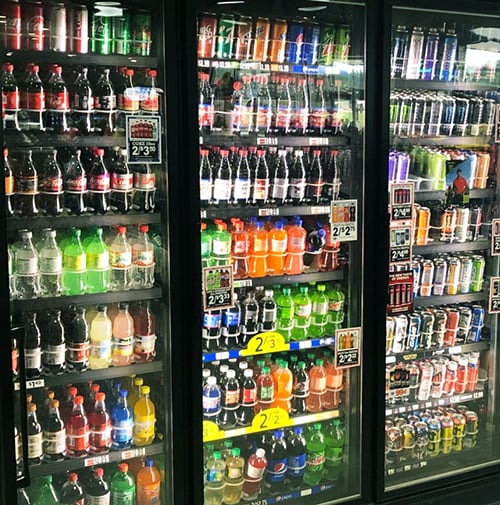
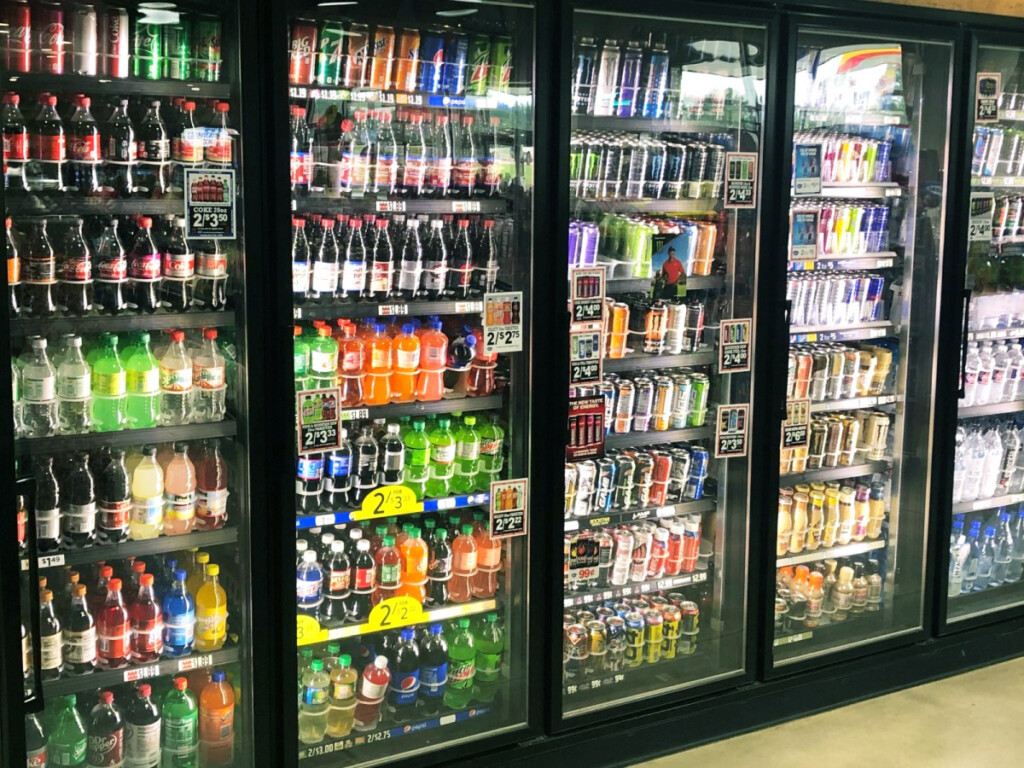
Your favourite soft drink might be tasty, but you should check the nutrition facts to see what it’s actually made of and how much sugar it contains. The problem with sugary drinks is the sugar itself and the calorie content.
A 12-ounce (oz) can of the leading soda brands can include 90 to 179 calories.
Plus, each can of soda can have more than 10 teaspoons of added sugars.
While soft drinks are fine once in a while, an excessive intake of these drinks can lead to poorer health outcomes.
Here’s a list of 10 drinks you may want to consider skipping due to their low nutritional value.
1. Cola
Some of the most popular sodas in the world use the flavour of the kola nut in their drinks. The kola nut is in the cocoa family and is primarily grown in Africa and in the American tropics.
In addition to synthetic kola nut flavouring, cola drinks use sugar to add flavour. Keep in mind that there’s almost no nutritional value from added vitamins, minerals, or fibre in the drink. A 12-oz serving may have 23.1 grams (g) of sugar.
2. Orange Soda
Orange soda is a misleading name for a soft drink that contains very little orange. It’s mostly made of soda water, sugar, and some citric acid. Technically, it does include natural flavours that give it a full orange flavour and it’s coloured to make it look orange. Sugar makes up the bulk of the flavour, however, with 44 g in a 12-oz serving.
3. Cream Soda
A combination of vanilla and yucca extracts, makes cream soda taste creamy. Otherwise, it has the same basic ingredients that other sodas have: soda water, sugar, artificial colouring, artificial flavouring and preservatives. Nutrition facts from the U.S. Department of Agriculture (USDA) show cream soda contains about 45 g of sugar per 12-oz serving.
4. Root Beer
Root beer was originally a bitter, syrupy drink, and sassafras root used to be the main ingredient that created the classic root beer taste. However, this ingredient was banned by the USDA when it was labelled a carcinogen.
Since then, a combination of natural and artificial flavours has created the old root beer taste. Today the USDA reports a 12-oz serving of root beer contains nearly 42 g of sugar.

5. Energy Drinks
Sugar and caffeine are a powerful combination when you need a pick-me-up, but sometimes the surge of energy is too powerful. While most soft drinks are relatively unhealthy, energy drinks can be dangerous, especially if you drink too many of them. In fact, overconsuming energy drinks can lead to a trip to the hospital.
One energy drink can have 5 to over 14 times the amount of caffeine as cola and almost twice the amount of sugar.
People who drink energy drinks are also more likely to binge drink.
SUGAR IN SOFT DRINKS
TYPEType of Soft Drink Grams of Sugar (per 12 ounces)
Cola 23.1
Oranga soda 44
Cream soda 45.1
Root beer 41.9
Energy drinks 41.4
Sweetened iced tea 31
Tonic water 34
Sports drinks 20.6
Ginger ale 36.9
Aloe vera drinks 18.75
6. Sweetened Iced Tea
If you brew tea at home, you can make yourself a refreshing drink. Just keep in mind, a 6-oz serving of black tea can have up to 50 milligrams of caffeine, and yerba mate tea can have even more.
If you’re buying pre-packaged tea at the store, check the nutrition label, because some iced teas can have about 31 g of sugar per 12-oz serving.
7. Tonic Water
Tonic water is made of soda water, quinine, and sugar. Quinine is made from the bark of the cinchona tree and gives tonic water its signature bitter taste.
People typically use tonic to mix with liquors like vodka and gin. Some brands use relatively little sugar, but some use nearly 34 g per 12-oz serving.
8. Sports Drinks
Few things are more refreshing than a cold, sweet drink after you’ve been sweating through a workout. While such drinks may be justified after an intense run or a high-intensity interval training session, many people consume sports drinks even when they’re not working out.
The sugar in a sports drink is supposed to replace the carbohydrates you burn from exercise. They also contain electrolytes like sodium and potassium, to replace what you lose through sweat. However, there are about 34 g of sugar in a 20-oz sports drink.
9. Ginger Ale
Contrary to popular belief, many ginger ale drinks don’t contain much ginger. Instead, it’s mostly carbonated water, sugar, and natural or artificial flavours. Some major brands have around 37 g of sugar per 12-oz serving.
10. Aloe Vera Drinks
One of the most soothing plants in spite of its spiky exterior, aloe vera is more useful in topical gel than it is in drinks.
However, if you enjoy aloe vera juice from time-to-time, you may want to know that it contains about 15g of sugar per 8-oz serving.
And that’s often because companies add sugar because aloe vera isn’t very tasty naturally. While this isn’t as much sugar as other soft drinks, there are alternative drinks you can choose with less added sugar.
The Takeaway
- Consuming high amounts of sugary soft drinks, such as cola and energy drinks, is linked to adverse health outcomes.
- Although once popular for their ‘natural flavours,’ many soft drinks like orange soda and ginger ale are primarily made with sugar and artificial additives, lacking worthwhile nutritional value.
- Energy drinks, often high in both sugar and caffeine, can pose significant health risks if consumed excessively.
- For those seeking to reduce sugar intake, consider minimising the consumption of soft drinks, opting instead for beverages like naturally flavoured water, unsweetened teas, or other low-sugar alternatives.
SOURCE: Everyday Health