

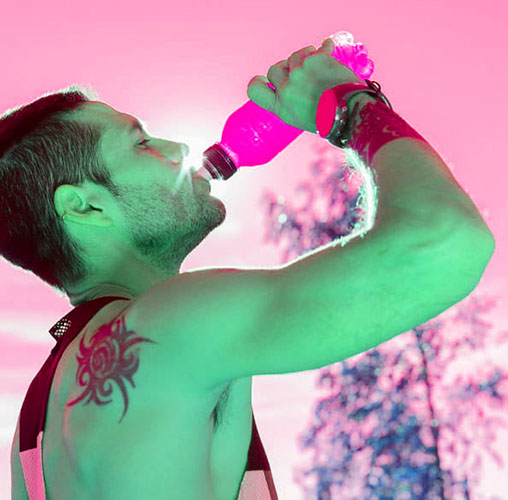
Electrolyte drinks are those that are fortified with minerals that are electrolytes, such as sodium. Their purported benefits include enhanced hydration, sports performance, energy, and more. But can you overdo it?
Here’s what the evidence says, plus signs and symptoms of overloading on these beverages – including when you should seek medical attention.
What Are Electrolyte Drinks?
Electrolytes are minerals in your body that affect its fluid balance, nerve and muscle function and more. They include sodium, potassium, calcium, chloride, magnesium, and phosphorus. Electrolytes are naturally present in foods and fluids (such as calcium in milk or sodium in table salt).
Some brands have also created electrolyte beverages, which should not to be confused with sports drinks.
“Electrolyte powders are products that come in either a single-serve package or a larger multi-serve pouch, ready to be mixed with water,” says Kelly Jones, RD, CSSD, a sports dietitian in the Philadelphia area.
Their purpose is similar to that of a sports drink. “Electrolyte drinks are often marketed to prevent dehydration and help the body replace electrolyte stores,” says Mandy Tyler, RD, a sports dietitian in San Antonio. “Typically, these beverages contain sodium and potassium, and some varieties also include calcium and magnesium, as well as vitamins,” she says.
If this sounds like a sports drink, that’s because electrolyte and sports drinks are similar – there is no official definition of either one. “However, electrolyte drinks may contain a higher concentration of certain electrolytes,” Tyler says. The exact amounts used vary among brands. For example, Gatorade contains 380 milligrams (mg) of sodium per 30-ounce bottle. Some electrolyte powders (intended to be mixed with water) have as much as 1,000 mg of sodium per serving.
Although electrolyte beverages have been widely marketed to expand their reach beyond athletes and into the general public to promote hydration, they’re not necessary for everyone. “Generally speaking, these products are best for athletes and people with high activity levels, including those with physically active jobs or who work in the heat,” Jones says. The body loses electrolytes through sweat, so consuming electrolytes through food or beverages will help replenish these minerals.
“Another time an electrolyte drink may be warranted is if you have a gastrointestinal illness such as vomiting or diarrhoea,” Tyler adds. These symptoms increase your risk of dehydration and mineral depletion and electrolyte drinks can help rehydrate your body quickly.
“If you’re not sure if you fit into a group that may benefit, talk to a professional, such as a primary care physician or registered dietitian, before adding in a beverage that has higher amounts of specific nutrients,” Jones says.

>
Can You Drink Too Many Electrolytes?
“The problem with consuming too many electrolyte drinks is that it can lead to people getting excessive amounts of certain nutrients, like sodium, that they already get plenty of from their diet,” Jones says. (Americans already consume 3,400 mg of sodium per day, on average).
When it comes to overconsuming electrolytes, sodium is the biggest risk. A single pack may contain 1,000 milligrams (mg) of sodium, or 44 percent of the recommended Daily Value, which is 2,300 mg (Again, this differs among products.)
Although sodium is a mineral necessary for good health, consuming too much sodium can cause high blood pressure. High blood pressure is a risk factor for heart disease and stroke, and nearly half of adults have this condition.
What Happens When You Have Had Too Many Electrolyte Drinks?
“Your kidneys help your body maintain its electrolyte balance,” Tyler says. The following are symptoms of an electrolyte imbalance, according to Cleveland Clinic: confusion, constipation, diarrhoea, fatigue, headaches, irregular heart rate, irritability, muscle cramps, spasms, or weakness, nausea, numbness or tingling in arms, legs, fingers, toes and vomiting.
When to See a Doctor About Electrolyte Overload
If you’ve been consuming electrolyte beverages and experience symptoms like fatigue, headache, muscle cramping or weakness, numbness, tingling and overheating, call your healthcare provider. They can advise you on your next steps.
If you have more severe symptoms, including confusion, dizziness, abnormal heart rate, nausea or vomiting, or seizures, go to Emergency.
Treatment may include intravenous fluids or medications to restore electrolyte balance.
“If you are concerned about getting adequate electrolytes on a daily basis, keep in mind that food itself contains plenty of electrolytes,” adds Nancy Clark, RD, Sports Nutritionist in Boston and Author of Nancy Clark’s Sports Nutrition Guidebook.
“Orange juice and milk are two examples of beverages that are full of electrolytes,” she says.
“Food works,” Clark says. “You don’t need these types of products. I’d rather you eat watermelon or enjoy a fruit smoothie,” she says.
The Takeaway
- Electrolyte beverages contain added electrolytes, namely sodium, potassium, and magnesium, and they are advertised for hydration, energy, and sports performance.
- People who are doing long bouts of exercise or physical activity in warm weather or who have had a gastrointestinal illness may benefit from electrolyte beverages, as they can help with rapid rehydration.
- Most people however, do not need electrolyte beverages. Adequate electrolytes are obtained through food, and electrolyte drinks can greatly increase your daily intake of sodium, a nutrient that most of us don’t need more of.
- If you’re interested in adding electrolyte beverages to your routine or are curious if you could benefit from one, talk to your doctor or a registered dietitian.
SOURCE: Everyday Health