People with hip and knee osteoarthritis are advised to wear ‘appropriate footwear’ to minimise their pain. Does that mean all heels are totally out? Does it matter if you wear runners or something a little more stiff? What about using insoles?
Some new research provides some answers, showing that stable, more supportive shoes aren’t necessarily the best option – despite what you might have heard.
What Is Osteoarthritis?
Osteoarthritis is a condition that affects the tissues in and around a joint, including bone, cartilage, ligaments and muscles. It is more common in older people, and people with excess body weight. It causes joint pain and stiffness, and can lead to disability.
About 2.35 million Australians have osteoarthritis and this number is predicted to increase as the population ages and obesity rates rise.
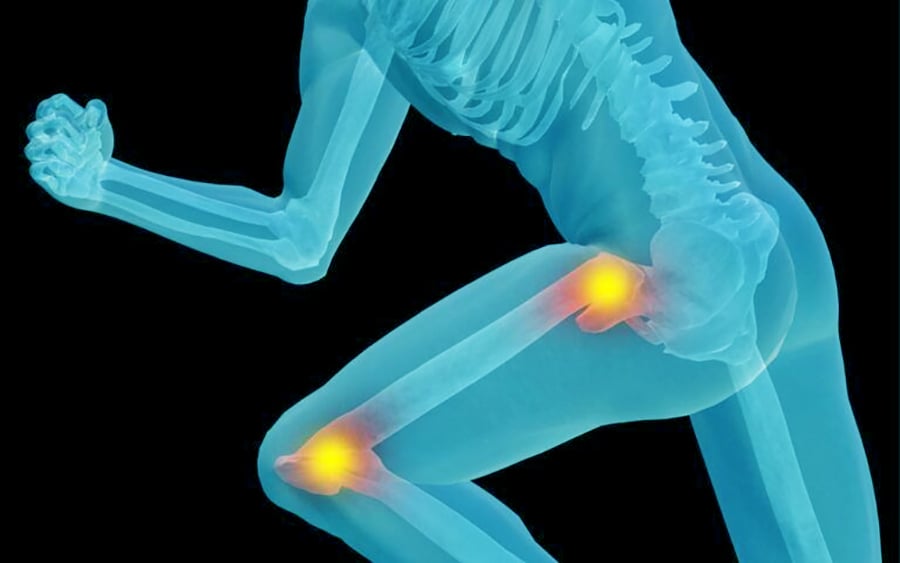
Osteoarthritis commonly affects the hip and knee joints, making it difficult to walk for some. There is no cure, so self-management is important, and that includes wearing the right type of shoes.
How Can Shoes Affect Symptoms?
There are many causes of osteoarthritis, but excessive force inside the joint when someone is walking is thought to play a role. Excessive joint forces can also increase the chance of osteoarthritis worsening over time.
Shoes are our connection to the ground and can influence how forces are transmitted up the leg during every step. Some shoe features are particularly important.
Shoes with higher heels increase joint forces. For example, shoes with six-centimetre heels increase knee forces by an average 23% compared to walking barefoot.
Some shoes come with supportive features, such as insoles that support the arches. Other supportive features include being made with a stiffer material in the sole or heel.
Many people, and clinicians, think these stable and supportive shoe features are best for people with osteoarthritis.
But biomechanical research shows shoes with these supportive features actually increase knee force by up to 15% compared to shoes without them.
Arch-supporting insoles also increase knee force by up to 6% when added to shoes.
So are flatter, flexible shoes without stable supportive features – such as ballet flats – better for knee and hip osteoarthritis?
Not necessarily. We also need to look at people’s pain.

What the Researchers Found
Biomechanical research from 2017 in people with knee osteoarthritis showed flat flexible shoes reduced knee forces by an average 9% compared to stable supportive shoe styles.
This suggests flat flexible shoes could be better for osteoarthritis. To find out, researchers conducted two clinical trials to look at people’s pain levels.
The new clinical trial involved 120 people with hip osteoarthritis, who were randomised to wear different types of flat flexible shoes, such as flexible ballet flats, or different types of stable supportive shoes, such as supportive runners. People were asked to wear their shoes for at least six hours a day. After six months researchers measured the change in hip pain when participants walked.
They found flat flexible shoes were no better than stable supportive shoes for reducing hip pain.
These findings differ to those from a 2021 clinical trial (conducted by the same researchers) which looked at 164 people who had knee osteoarthritis.
In that trial, it was found that wearing stable supportive shoes for six months reduced knee pain when walking by an average 63% more than wearing flat flexible shoes.
It’s unclear why findings differed between the knee and hip. But it might be because joint forces are higher in the knee compared to the hip in osteoarthritis, and so there may be greater potential for stable supportive shoes to reduce knee forces, and therefore knee pain.
In both trials, more complications, such as foot pain, were reported by people who wore flat flexible shoes. This might be because these shoe styles provide less protection for the feet.
So Which Shoes Should You Wear?
For people with knee osteoarthritis, stable supportive shoes are likely to be more beneficial than flat flexible ones.
For people with hip osteoarthritis, neither shoe type is better than the other for improving hip pain.
But for all older people – including those with hip and knee osteoarthritis, it is sensible to avoid ill-fitting shoes, as well as shoes with high or narrow heels, due to an increased risk of falls.
For younger people with knee or hip osteoarthritis but who are not at risk of falls, it may still be advisable to avoid high heels given their potential to increase joint forces.
Who Should You Talk To For Advice?
If you are concerned about your hip or knee osteoarthritis, talk to your GP or other health-care provider, such as a podiatrist or physiotherapist. Other non-surgical treatments such as exercise, weight management, nutrition and some pain medicines can also help.
SOURCE: The Conversation