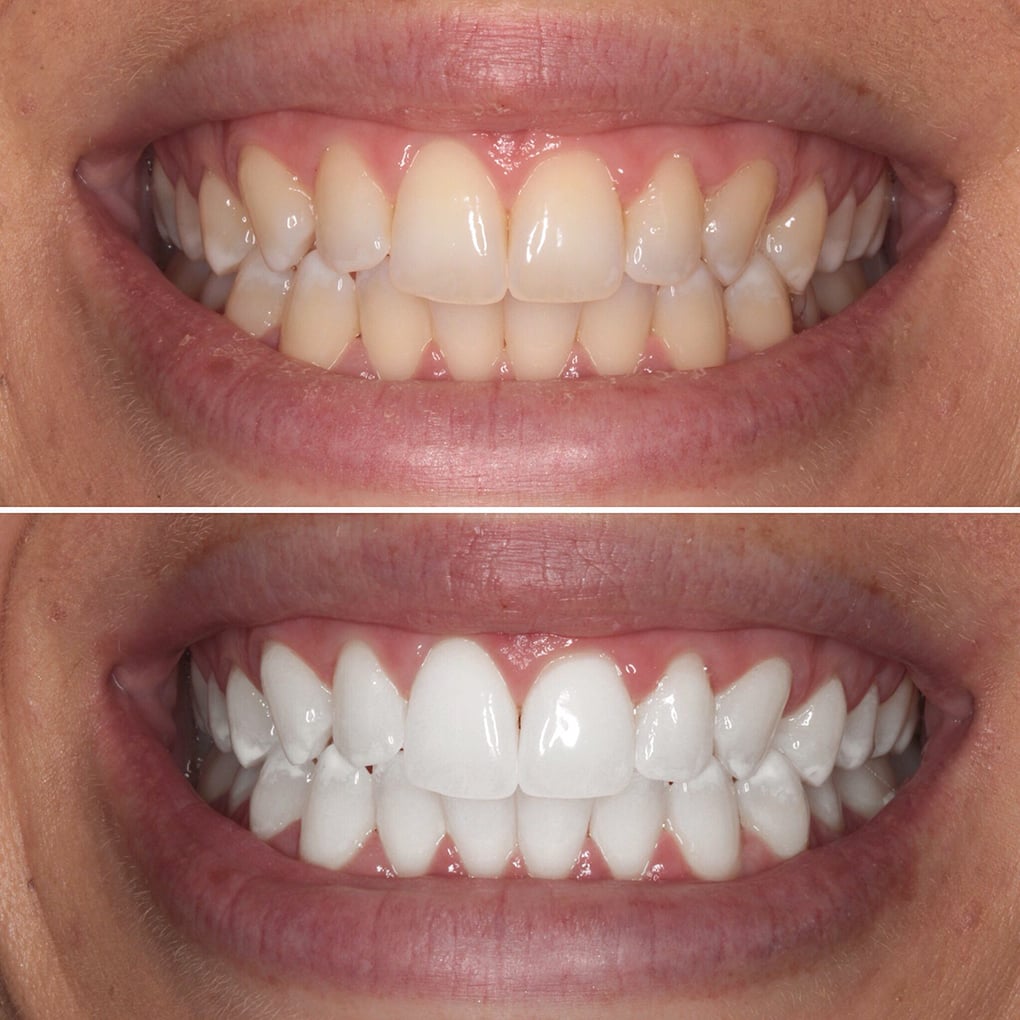
Teeth whitening goes deeper than the surface; it’s a professional dental treatment.
So how does teeth whitening remove stains, and what’s the difference between at-home kits and whitening done by a dentist?
Here’s what you need to know to get results worth smiling about:
How Does Teeth Whitening Work?
Teeth Whitening works by using peroxide-based bleaching agents to penetrate your tooth enamel. Stains on your teeth are broken down into smaller, lighter coloured pigments, giving them a whiter appearance.
There are two main types of stains:
Surface stains from coffee, tea, soft drink, wine, smoking etc. which can usually be removed by whitening toothpastes or professional cleaning.
Internal stains inside the tooth, which require peroxide whitening treatments to remove pigment.
If you have yellow or brown discolouration on your teeth that doesn’t lift after brushing, you can improve your smile with teeth whitening at your next dental appointment.
What Happens At a Teeth Whitening Appointment?
Your dentist will:
1. Check your teeth and gums for suitability and any dental health concerns
2. Record your starting shade so they can compare the end results
3. Protect your gums and lips using barriers, cheek retractors or protective gel
4. Apply whitening gel to the teeth
5. Allow the gel to rest on the teeth, sometimes with an LED light
6. Remove and reapply the gel
7. Rinse and check the final shade
After a whitening treatment, your teeth are typically more sensitive. It’s advised to avoid foods that may stain your teeth for 24-48 hours, like coffee and red pasta sauce.
Why Should A Dentist Do Your Teeth Whitening?
Teeth whitening is a dental treatment, not just a cosmetic service.
Your dentist will assess whether teeth whitening is safe, protect your gums, and use the correct strength bleaching agent, helping to reduce any potential complications of treatment.
Teeth whitening agents are strongly regulated in Australia; only trained and registered dental practitioners can supply whitening products above a certain peroxide strength.
Beauty salon teeth whitening, mobile teeth whitening or DIY pens and gels will not get you the same quality result, and you may end up spending more money trying to lift stains in a slower, less effective way (and still not get the results you want!)
How Much Does Teeth Whitening Cost?
Professional teeth whitening can cost you between $300-$1200, depending on the type of treatment and whether it was performed at a dental clinic or using a take-home bleaching kit.
In Clinic Vs. Take Home Kits
Teeth whitening at a dental clinic will get you faster, more noticeable results; your dentist will use a strong peroxide-based bleaching gel to break down tough internal staining.
Take-home kits provided by your dentist will use a lower-strength gel that works gradually over days or weeks, and are suited for maintenance or tops ups after professional teeth whitening.
DIY whitening kits, or retail whitening products, use an even weaker bleaching agent and typically take several uses to have an effect on surface stains (if you’re lucky); this can lead to over-use, which can cause irritation and tooth sensitivity over time.
How Often Should You Get Your Teeth Whitened?
It’s recommended you have your teeth whitened every 6-12 months to maintain your ideal shade. Some people can go longer in between whitening sessions by avoiding:
– Coffee and Tea
– Smoking
– Red wine
– Other foods and drinks that cause staining
Whitening your teeth in-clinic too often can increase the risk of tooth sensitivity and gum irritation; your dentist may recommend using an approved take-home kit including custom bleaching trays to top up your colour between visits.
Smile For The Camera
Teeth whitening treatments use bleaching agents to break down pigment on either the surface of your teeth or deeper within the enamel and tooth structure, depending on which treatment you opt for.
For the best teeth whitening results, see your dentist; they will use carefully controlled bleaching agents and perform treatment tailored to your oral health.
For more information, book an appointment with your dentist and discuss your treatment options.