
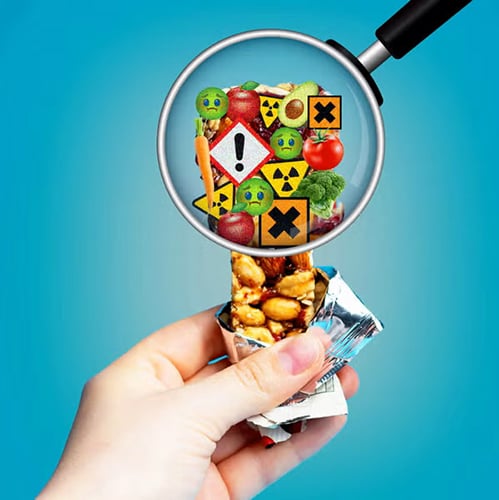
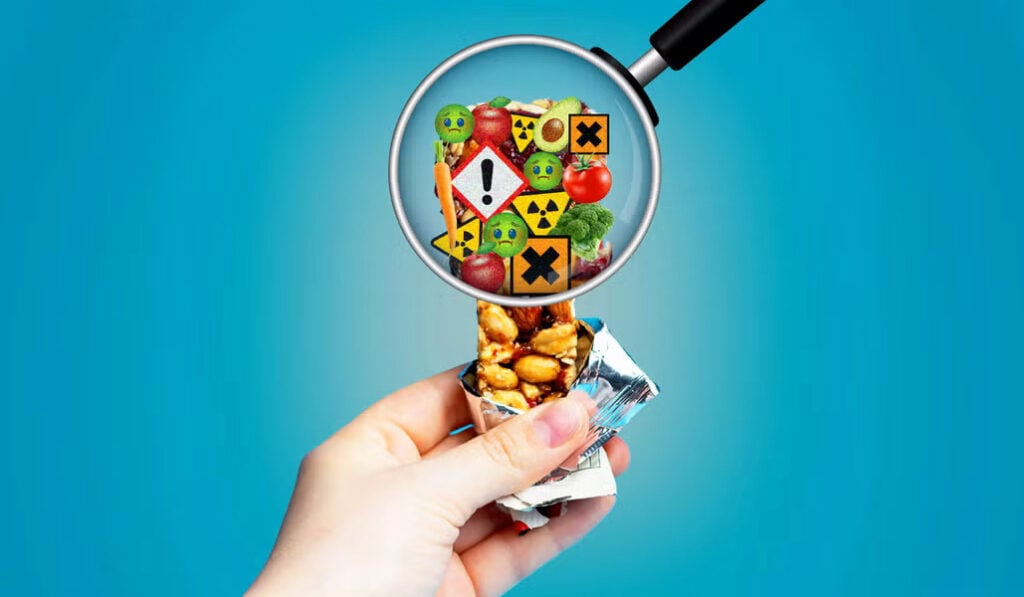
Diets high in ultra-processed foods are consistently linked to many chronic diseases, including cancer, cardiovascular disease, diabetes and mental health conditions, according to an expansive new analysis of health outcomes in a global population.
The research, involving nearly nine million adults, also shows that ultra-processed foods, which are generally low in nutrients and loaded with additives, increase the chances of premature death.
“Earlier studies have already linked ultra-processed food to some diseases, but mostly one condition at a time, in smaller populations,” says lead author David Xiao Liu, MD, a Cardiologist and research fellow with Duke-NUS Medical School in Singapore.
“By pooling worldwide data from 51 studies, we were able to build much stronger evidence and model a dose-response relationship, essentially showing how risk changes as people eat more or less ultra-processed food.”
What Makes Ultra-Processed Foods So Bad?
Ultra-processed foods are generally defined as ready-to-eat items (such as packaged potato chips and soft drinks) or heat-and-serve products (such as frozen pizzas and microwavable dinners) that have undergone extensive industrial processing.
“They tend to be higher in calories and higher in refined carbohydrates, sodium, added sugars, and unhealthy fats while being lower in fibre and beneficial micronutrients,” says Samantha Flanagan, DO, Assistant Professor with the Department of Clinical Family and Community Medicine at Temple University’s Lewis Katz School of Medicine in Philadelphia.
Dr. Flanagan, who was not involved in the new analysis, adds that the processing makes the foods extra pleasing to the tastebuds, triggering people to eat too much.
The study authors describe the mix of additives in ultra-processed foods as having a “cocktail effect.”
“When several additives combine and interact inside the body it may add up to a bigger effect than you’d expect from each ingredient individually,” says Dr. Liu.
Previous research has indicated that ultra-processed foods negatively impact the gut microbiome, and promote obesity, inflammation, and insulin resistance (when your cells stop responding well to the hormone insulin, which regulates blood sugar levels).
The study authors add that compounds that may form during food processing, such as acrylamide (a contaminant formed in heat-treated processed foods) and acrolein (generated during fat heating), have been associated with a higher incidence of cardiovascular disease.
Small Amounts Push Various Health Risks Higher
The research analysis, which was published this week in the journal Family Medicine and Community Health, looked at 51 studies representing more than 8.8 million adults from the Americas, Europe, and Asia, and Oceania, ranging in age from 24 to 77.
The pooled data showed that higher consumption of ultra-processed foods was associated with higher likelihood of the following:
| Cardiovascular events (e.g., heart attack)
|
24 percent |
| Cancer
|
12 percent
|
| Obesity/overweight
|
23 percent
|
| Metabolic syndrome/diabetes
|
24 percent
|
| Depression/anxiety
|
27 percent
|
| Digestive diseases
|
31 percent
|
| High blood pressure
|
11 percent
|
| Early death from any cause
|
18 percent
|
The analysis found that each additional 100 grams (3.5 ounces) of ultra-processed food a person consumed per day was linked with a 14 percent higher chance of cardiovascular events, 4 percent higher odds of cancer, 2 percent rise in the likelihood of metabolic syndrome/diabetes, and a 3 percent higher risk of early death from any cause.
Making Moves to Improve Diet
To improve your diet, nutrition experts advise the following:
- Read food labels.
“Check package labels for ingredients that don’t sound like they would be found in a typical kitchen,” says Zhang. Also take note of added sugar (fructose and corn syrup) and sodium.
- Shop the perimeter at the supermarket
“Most of the ultra-processed foods live in the middle of the store – in the biscuit, cereal, and soft drink aisles,” says Lindsey Smith Taillie, PhD, a Professor in the Nutrition Department at University of North Carolina’s Gillings School of Global Public Health in Chapel Hill, who was not involved in the new research analysis. “Sticking to the perimeter where the fruit, vege, plain meats, and dairy are helps, along with shopping for shelf-stable staples like beans, rice, and pasta,” she recommends.
Key Takeaways
- A new research analysis has found that ultra-processed foods can increase the risk of myriad diseases and health conditions, ranging from high blood pressure to depression.
- The analysis also linked ultra-processed food in the diet to an increased risk of early death.
- Nutrition experts advise carefully reading ingredient labels to avoid products that have excessive additives and including more fresh produce in your diet.
SOURCE: Everyday Health