
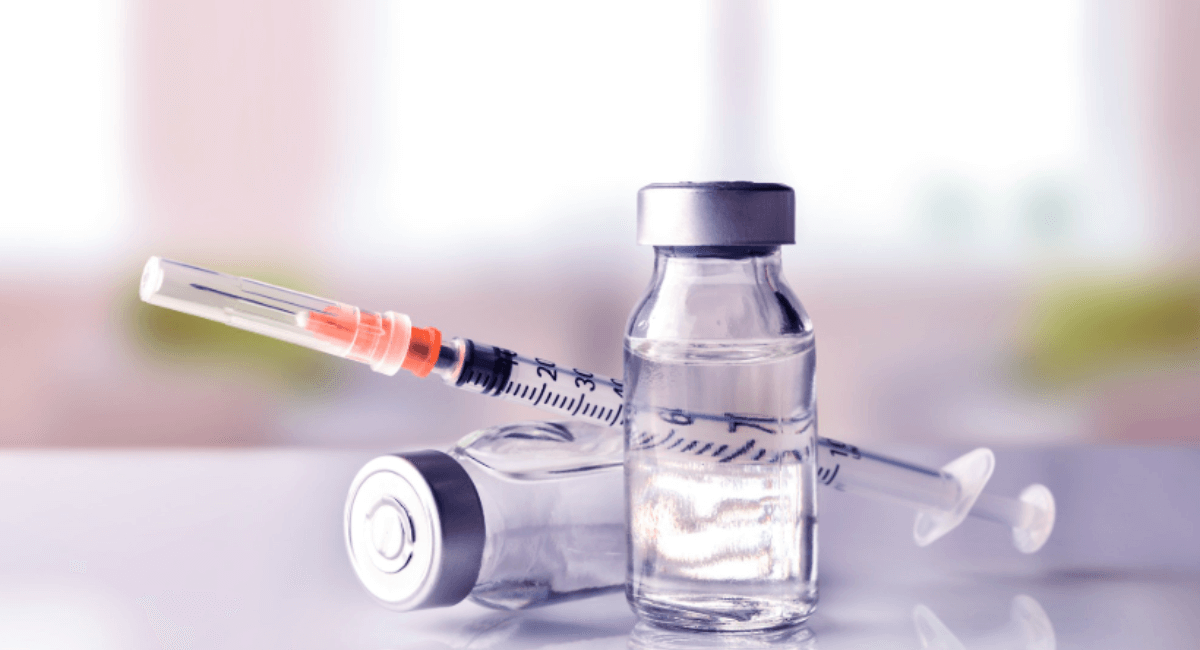
Peptide injections are one of the latest health trends to go viral on social media. Proponents of these supplements (including wellness influencers and Health Secretary Robert F. Kennedy Jr.) believe these shots can boost longevity, build muscle, rejuvenate skin, and otherwise optimise specific aspects of health.
“Over the last 5 to 10 years, peptides have gone from something only performance athletes, biohackers, and longevity doctors talked about to something you hear about casually in group chats and on TikTok. Social media, podcasts, and influencer culture have really accelerated the awareness,” says Jen Sogol Ash, Doctor of Naturopathic Medicine, Functional Medicine expert, and Longevity Director at Concierge MD and Drip Hydration in Los Angeles.
But what are peptide injections, exactly, and are they safe and effective? Here’s what the evidence shows, plus other issues related to the explosive growth of the largely unregulated injectable peptide industry.
What Are Peptides and Peptide Supplements?
Peptides are small molecules made up of short chains of amino acids. The body produces peptides naturally, using them as the building blocks for proteins.
“These small molecules direct many biological functions in our bodies,” says Gordon Crozier, DO, a physician specialising in integrative medicine and Medical Director of Crozier Clinic in Orlando, Florida. “They can regulate hormones, manage weight, help neurons (nerve cells) communicate with each other, and activate or influence other physiological processes,” Dr. Crozier says.
Peptide supplements are synthetic versions of these natural peptides.
Compared with peptides taken in the form of pills, those administered via injection or IV bypass the digestive system, which generally allows for greater and faster absorption.
“Various formulations of peptides can hit receptors in the body and have drug-like effects,” explains Spencer Nadolsky, DO, an Obesity and Lipid Specialist Physician in Portage, Michigan.
Common Injectable Peptides: Insulin and GLP-1s
“Injectable peptide medications themselves aren’t new,” Dr. Sogol Ash notes.
Well-known examples of injectable peptides include insulin for managing diabetes, and GLP-1 (glucagon-like peptide-1) agonists, the class of injectable weight loss drugs like Ozempic, Wegovy, Mounjaro, and Zepbound, for treating diabetes and obesity.
Compounded GLP-1s for weight loss, such as compounded semaglutide and compounded tirzepatide, boomed in popularity over the past few years during shortages of name-brand GLP-1s.
Compounded drugs are off-brand formulations custom-made by a pharmacist or physician. They are generally less expensive than name-brand drugs, but they’re not approved by the U.S. Food and Drug Administration (FDA), which means the agency has not reviewed them for safety, efficacy, and quality. The FDA notes that compounded GLP-1s may pose risks.

Peptides for Building Muscle, Rejuvenating Skin and Beyond
Compounding pharmacies, medical spas, anti-ageing clinics, and online suppliers all may sell or administer peptide injections. Most of these drugs are not FDA-approved.
“The FDA has not come down on all companies selling peptides direct-to-consumer, yet most of these products say on the bottle ‘not for human use’ and ‘for research purposes only,’” says Crozier. “Despite the warning label, individuals continue to use them – and the individual does not know what they are getting all the time.”
However there is some research on the following peptide injections:
- Body Protection Compound-157 (BPC-157)
Initial and pre-clinical-trial research suggest BPC-157 may promote musculoskeletal healing, which could explain its popularity among athletes (although it is banned in professional sports). “These types of peptides are relatively common in the wellness and biohacker worlds,” says Nadolsky. “BPC-157 has anecdotally been used for healing and pain improvement – especially tendinitis.”
- Copper Peptide (GHK-Cu)
Wellness seekers are using this peptide to revitalise ageing hair and skin because of its purported collagen-boosting and wound-healing properties. “GHK-Cu is used for skin rejuvenation. I see this less frequently used, but it does come up,” says Nadolsky.
- TB-500 (Thymosin beta-4)
TB-500 has been marketed for muscle and tissue healing, repair, and regeneration purposes. International professional and U.S. collegiate sports have banned it due to a lack of long-term safety data.
A Closer Look at Peptide Marketing Claims
Some of the more prominent marketing claims for experimental peptide injections include:
- Anti-Ageing and Longevity Benefits
The promise of reversing cellular decline and promoting youthful vitality is enticing, but as Nadolsky notes, there is very little true data that reports on an actual outcome of using these peptides.
- Athletic Performance Enhancement
Claims regarding improved muscle mass, exercise recovery time, and joint healing are anecdotal, without much outcome data, Nadolsky says. While some of her patients report noticing performance improvement benefits, Sogol Ash says there’s still a need for large-scale human studies.
- Cognitive Enhancement
Promoted by public figures including Health Secretary Robert F. Kennedy Jr. Nadolsky says that claims that these peptides can improve brain fog and increase mental clarity are ‘mostly marketing.’
- Skin and Hair Rejuvenation
Some injectable peptides come with claims of anti-ageing and hair-regrowth, with no studies confirming their effectiveness says Nadolsky. “I would stick to more proven regimens like minoxidil [for hair loss] and tretinoin [for skin resurfacing],” he says.
- Immunity Boost
While the claim of bolstering the immune system to fight off infections is a broad assertion, there’s no magic fix for the complex immune system. This makes these claims dubious, at best, says Nadolsky. “This is meaningless without a more specific claim of reducing the common cold or similar.”
Why Experimental Peptides Can Be Risky
While peptides may seem appealing, there are major unknowns, including a lack of research and long-term safety data. With the exception of FDA-approved weight loss GLP-1s, most of the initial evidence around peptides comes from animal and in-vitro (laboratory) testing, so results don’t translate directly to their use in humans.
“Most could be considered risky unless FDA approved with phase 3 trials. Most people don’t understand placebo blinded randomised trials. You can’t know if it does anything or is harmful without doing the studies, so we are left with anecdotes,” says Nadolsky.
Additionally, the lack of federal regulatory oversight around compounded peptide products – which are not subject to the same strict manufacturing and purity standards as FDA-approved drugs – allows for safety concerns, such as potential risks of sterility issues, inaccurate dosages, unknown side effects, and product contamination.
Bottom Line on Peptide Injections
Experts say non-FDA-approved injectable peptides (and other medications, for that matter) are not worth putting your health at risk. “Peptide mechanisms can seem sound, but this is why we do the usual phases of trials with final FDA approval. Without this, it’s hard to know if they work or are harmful,” Nadolsky says.
He also stresses the importance of consulting with a licensed healthcare provider before starting any type of injectable regimen. “A good doctor can go over the risks and benefits,” says Nadolsky. “Ask about outcomes data and whether a peptide is FDA-approved.”
The Takeaway
- Proponents of peptide injections say these drugs provide benefits such as skin rejuvenation and muscle regeneration.
- With the exception of insulin and FDA-approved GLP-1 medications, researchers have not evaluated most peptide injections in clinical trials for safety, effectiveness, and quality, and these drugs could pose potential health risks.
- Anyone considering injectable peptide supplements should consult their healthcare provider about the risks and benefits, and use only licensed compounding pharmacies.
SOURCE: Everyday Health