
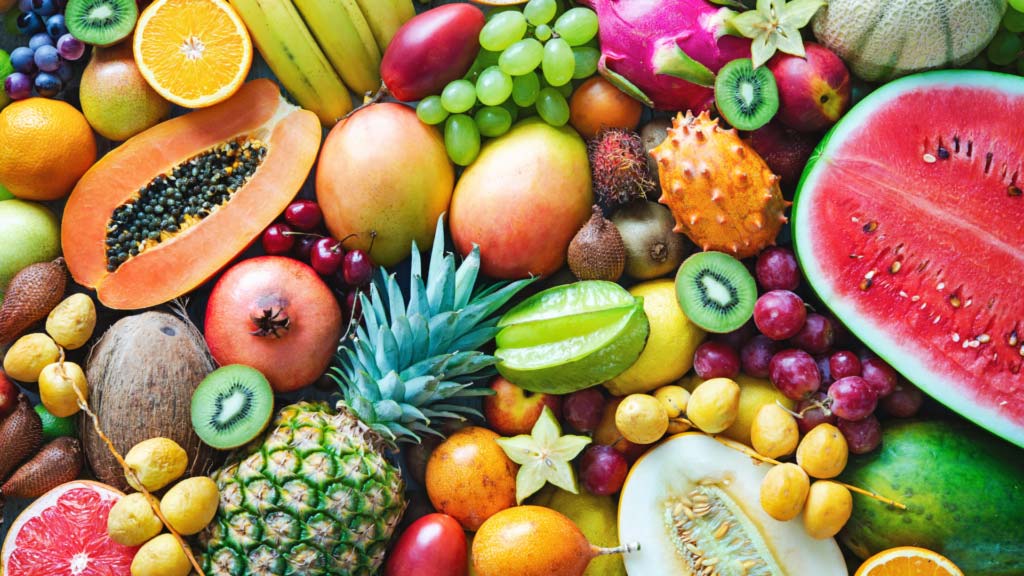
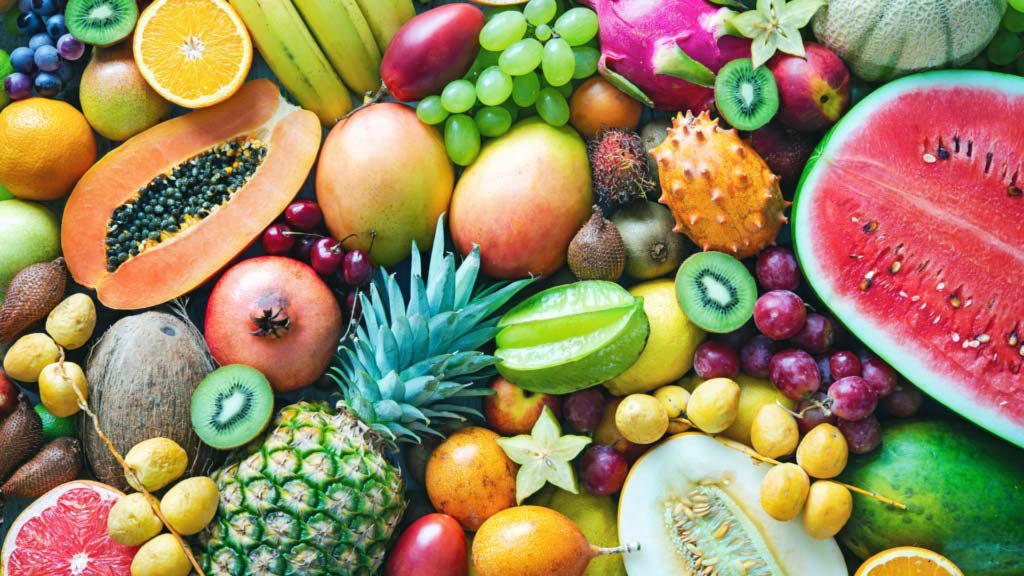
Drinking water is critical for avoiding dehydration, but why not eat more food containing H2O too? Fill up your shopping trolley with these nutritious fruits that have a high water content.
Feeling parched? Yes, you could reach for a glass of water, but you can also bite into a juicy piece of fruit to help get your hydration fix.
“Consuming fruit can be a sweet way to boost nutrition and help contribute to your body’s overall fluid needs,” says Kara lydon, RD, a nutrition blogger and owner of Kara Lydon Nutrition in Boston.
After all, making sure you stay hydrated is good for your body. “We all know that we need to stay hydrated for our health overall,” says Miami-based Amy Kimberlain, RDN, an Academy of Nutrition and Dietetics media spokesperson. During warmer months of the year, Kimberlain adds, “it’s much more important, since it’s so hot and therefore easier to become dehydrated.”
According to the Harvard T.H. Chan School of Public Health, staying hydrated helps regulate your body temperature, prevents developing infections, keeps your joints lubricated, allows nutrients to get delivered to your cells, and improves your sleep and mood. So there are a number of reasons why you’ll want to eat hydrating fruit.
Fruit also come with other hydrating perks. “The naturally occurring electrolytes found in some fruits, such as potassium, may help usher water into your body’s cells faster,” adds Lydon.
“About 20 percent of your overall water intake comes from the foods you eat, including fruit, vegetables, and dairy products,” says Lydon.
Just know that there’s not a “one size fits all” hydration recommendation. “Everyone’s fluid needs are individualised and may vary if you are exercising or working outside,” says Kimberlain.
Ready to help hydrate with fruit? Here are some top sources and their water content:
Watermelon Quenches Your Thirst and Is Jam-Packed With Potassium
“Watermelon is 91 percent water, so it is super hydrating,” says Kimberlain.“Additionally, it’s one of those fruits that doesn’t have as much fibre as other fruit, so it can be a source of quick energy too,” she adds. One medium-sized slice of watermelon contains 1.3 grams (g) of fibre for about 4 percent of your daily value (DV), according to the U.S. Department of Agriculture (USDA).
Watermelon is also bursting with vitamin C – 26.3 milligrams (mg) per medium slice, and is also a source of vitamin A, with 91 micrograms (mcg) in each medium slice, as well as 364 mg of potassium per slice.
According to the Mayo Clinic, vitamin A is crucial for eye and skin health, while vitamin C helps with the immune system and nerve function. Meanwhile, potassium lowers blood pressure and also helps your nerves function properly.
And potassium has more perks: “Potassium has been shown to play a role in helping to maintain water balance as well as helping to offset muscle cramping,” says Kimberlain, and University of Michigan Health concurs.
“Enjoy a watermelon slice as-is, or add cubed watermelon to feta cheese and fresh mint as a side dish for a refreshing treat,” suggests Lydon.
Strawberries Are Both Hydration and Vitamin C Superstars
Berry lovers rejoice! Strawberries are jam-packed with water – 91 percent – as well as other nutrients, making them the perfect fruit to snack on or add to your smoothie.
Here’s the lowdown: A cup of halved strawberries has 3.3 g of fibre, according to the USDA. And that’s good news for you, because fibre helps keep your hunger and blood sugar under control, and may even reduce the risk of developing conditions like heart disease and diabetes.
Strawberries are also vitamin C stars – 1 cup has a whopping 97.6 mg of the vitamin, according to the USDA.
According to the Mayo Clinic, these hydrating berries also provide heart health perks too – eating 1 cup daily may lower blood pressure and cholesterol levels. Plus the Mayo Clinic says they may also lower the odds of developing certain cancers and even support how your brain functions.
For example in one small study, participants ate 500g of strawberries a day for a month. (That’s a lot of strawberries!) At the end of the period, their blood was tested and the researchers found that their bad cholesterol and triglycerides were significantly lowered.
But you can get benefits just by eating a regular serving of strawberries as well. Enjoy them raw – they’re delicious as-is – or add them to salads or your morning meal. “One of my favourite ways to add fruit to a meal is adding strawberries to yogurt and granola for a parfait,” says Lydon.
Grapefruit Is Refreshing and Impressively Low-Calorie
Oranges often steal the show when it comes to “most popular” citrus fruits, but grapefruit comes packed with even more water. (They’re 91 percent water, according to the USDA.)
In addition, a small grapefruit has 2.2 g of fibre, according to the USDA. And like other citrus fruit in the family, you’re getting plenty of vitamin C – you score about 69 mg of the vitamin, notes the USDA.
Grapefruit is also touted as a low-calorie fruit that fills you up thanks to its fibre. One grapefruit has a mere 74 calories, according to the USDA. Research has even shown that eating grapefruit, along with other fruit like blueberries, grapes, and apples, may lower your odds of developing type 2 diabetes.
One randomised control trial involving 74 overweight adults found that while eating one-half a grapefruit daily with meals for six weeks didn’t necessarily help them with weight loss, it did improve their blood pressure results.
Like many other fruit, you also score potassium – a small grapefruit has 278 mg of potassium, according to the USDA.
Consider serving yourself up a grapefruit after exercising. “In addition to its water content, the naturally occurring sugars and electrolytes found in citrus fruit make them a great post-workout recovery snack, when paired with a source of protein,” says Lydon. Try teaming up your grapefruit with Greek yogurt — according to the USDA, a 7-ounce container of low-fat Greek yogurt contains nearly 20g of protein, making it an excellent source. Protein is great post-exercise, notes the Mayo Clinic, because it gives you the nutrients you need to repair your muscles.
Another one of Lydon’s favourite ways to enjoy grapefruit? “Broil grapefruit and serve it over oatmeal,” she suggests.

Cantaloupe Comes Loaded With Beta-Carotene and H2O
While watermelon gets much of the melon hydration hype, cantaloupe’s water content is nothing to take for granted.
Not only will cantaloupe hydrate you on a hot day (or a cold day, for that matter) due to its 90 percent water content – you’ll also score other impressive nutrients with each slice.
For example, one large wedge of cantaloupe delivers about 1g of fibre and 11mg of vitamin C packed into just 39 calories, according to the USDA.
Cantaloupe also delivers on vitamin A, with each large slice you score 237 mcg of the vitamin, notes the USDA. You’re also getting an impressive amount of beta-carotene 2,780 mcg according to the USDA. Beta-carotene is what gives cantaloupe its orange hue, and is a “provitamin,” according to the University of Rochester Medical Center, which means your body uses it to make vitamin A.
Other than eating cantaloupe by the slice, try adding cubes to a salad, serve it as an appetizer along with prosciutto, or even throw some slices into your glass of sparkling water to naturally sweeten it up.
Peaches Pack Way More Than Just Water
“Stone fruit such as peaches and plums, have a water content of 88 percent, making them a sweet way to stay hydrated,” says Lydon.
According to the USDA, one medium peach contains 7 mg of vitamin C, as well as 42 mcg of vitamin A. Plus, you also score 2.6 g of fibre in each medium peach, according to the USDA.
Lydon suggests adding fresh peaches to a salad with mozzarella.
Raspberries Are Equal Parts Hydrating and Fibre-Filled
Along with providing major hydration perks, these little red gems come loaded with other good-for-you bonuses.
In addition to being 86 percent water, raspberries are fibre phenomenons – 1 cup provides a whopping 8g of fibre, according to the USDA, making them an excellent source. The berries also deliver big on vitamin C – in each cup you get 32 mg.
You also score ample antioxidants with raspberries, according to the Mayo Clinic. Rspberries are one of the top fruit sources of these disease-fighting compounds.
The Mayo Clinic notes that antioxidants offer protection against free radicals, which are molecules that your body creates when it’s exposed to harmful things like tobacco smoke or radiation, and increase the risk for chronic diseases.
Raspberries also give you 0.8 mg of manganese, according to the USDA. Manganese helps protect your cells from getting damaged, notes the National Institutes of Health, and keeps your bones strong, helps your immune system, and aids in the process of blood clotting.
While you can always eat raspberries on their own, try throwing some in your cereal, yogurt, or oatmeal.
Pineapple Is a Sweet Way to Eat Your Water
Time to include pineapple in your shopping cart. Not only do they provide natural sweetness and some serious hydration perks (they contain 85 percent water), they come with additional sizable health benefits as well.
You’ll score 79 mg of vitamin C with 1 cup of pineapple chunks, according to the USDA, and it will also provide you with 4.6g of fibre.
“Pineapple also contains an enzyme called bromelain, that helps break down proteins and aids in digestion,” says Kimberlain.
According to Mount Sinai, pineapple has been used for hundreds of years in Central and South America for easing indigestion, and research is currently exploring whether it may also help improve inflammation, swelling, and sinusitis.
Other than eating a delicious slice of pineapple as-is, Lydon suggests throwing pineapple and mango into a smoothie with Greek yogurt or avocado.
Cranberries Are Surprisingly Thirst-Quenching and Bursting With Fibre
Raw cranberries not only contain 87 percent water (hello hydration), they also pack 14 mg of vitamin C per cup, according to the USDA. You also score ample fibre with cranberries – one cup gives you 3.6 g, notes the USDA.
If you think cranberries may be too bitter for your tastebuds to eat by the handful, consider slicing them up and adding them to your next grain bowl or salad, or use them as a garnish on your next meat or fish dish.
Oranges Are Known for Vitamin C, But They’re Ultra-Hydrators
If you ever played soccer as a child, there was nothing more refreshing than biting into a few orange slices at halftime. “Not only will eating oranges help quench your thirst with 87 percent water, they also offer nutrients like vitamin C, potassium, and antioxidants,” says Kimberlain.
Take vitamin C, which oranges are renowned for containing. One regular orange contains about 97 mg of the vitamin, according to the USDA. Not only that, it also packs 274 mg of potassium.
Picking a whole fruit rather than the liquid form is key though. This way you get that nutritious fibre that oranges boast. For a little perspective, a 4-ounce cup of 100 percent OJ gives you a mere 0.3 g of fibre (per the USDA). On the other hand, a medium orange has more than 3g of fibre.
Apricots Have Plenty of H2O and Antioxidants
Tangy and tart, apricots can hit the spot when it comes to keeping you hydrated, containing 86 percent water. They also deliver when it comes to nutrition.
One regular apricot packs a mere 17 calories, and provides almost 1g of fibre, according to the USDA. A small apricot also gives you 34 mcg of vitamin A, as well as 382 mcg of beta-carotene. Plus, just one apricot gives you 3.5 mg of vitamin C, according to the USDA.
Research has also shown that apricots come jam-packed with antioxidants, as well.
Bite into a juicy apricot as a snack. Or when cooking with apricots, you can swap them in whenever a recipe calls for peaches. You can also add apricots to savory dishes (like a Moroccan tagine).
SOURCE: Everyday Health