Bidets can be a cleaner alternative to wiping, as they offer a more thorough rinse and less irritation.
What Are Bidets?
A bidet is a plumbing fixture designed to clean yourself after you urinate or have a bowel movement. They work by spraying water onto specific targeted areas.
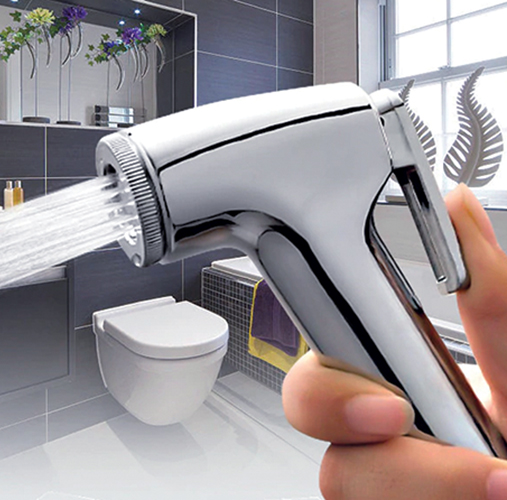
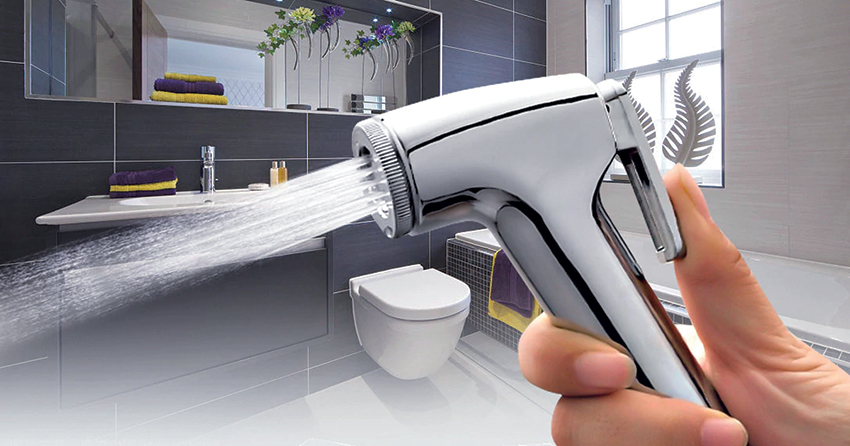
Bidets can be fixed to your toilet, either as a nozzle inside the bowl or a hose attached to the side of the bowl. They can also be standalone fixtures which you straddle, resembling a low sink.
Bidets are common in many parts of the world, including Europe, Asia, South America, and parts of Africa and due to their reported health advantages, are gaining popularity in other countries.
Is a Bidet More Sanitary Than Wiping?
With proper use and care, bidets may be more sanitary that wiping with toilet paper.
Water can be more effective at removing trace amounts of faecal matter than toilet paper, and it also eliminates the risk of contaminating your hands during wiping.
A small study published in December 2021 in the Journal of Water and Health examined microbe contamination of the hands after defaecation with and without the use of a bidet. Researchers found that the use of a bidet was more effective at reducing the adherence of faeces to the hands when compared to toilet paper.
“A good quality bidet, when used and maintained properly, will deliver superior hygiene care,” says Christine Lee, MD, a gastroenterologist at Cleveland Clinic in Willoughby Hills, Ohio. “Toilet paper hygiene can have consequences – from not wiping clean to overzealous wiping. Wiping with sharp or broken fingernails can also cut the skin or cause stool to be trapped under nail surfaces,” Dr. Lee explains.
Can Bidets Cause Infections?
Research is still unclear about whether bidets can cause vaginal or urinary tract infections (UTIs). Some studies suggest that rinsing with a bidet may spread faecal bacteria and disrupt the natural microbiome of the vagina and urinary tract. This can make them more vulnerable to infection. However, selecting the right bidet and using it correctly can help minimise the risks. Many bidets allow you to adjust the water pressure and angle of the stream. This is important to avoid forcing water into the vagina or urethra.
Benefits of Bidets
Along with a more thorough clean, bidets offer a range of other benefits, including:
- They are more gentle than wiping
Toilet paper can irritate your skin and cause tiny cuts and chafing. Rinsing may also be more comfortable if you have fissures or haemorrhoids - They can save you money
The average household in the United States spends hundreds of dollars on toilet paper each year. Investing in a bidet could save you money over time - Help the environment
Manufacturing toilet paper requires cutting down trees and uses a lot of water and energy. Using a bidet saves resources - Preventing clogs
Not flushing wads of toilet paper can lead to fewer clogs in drainage systems - An easier overall experience
The function of a bidet can make for easier clean-up if you have trouble wiping or other mobility issues
How to Use a Bidet Safely
A bidet can make for a cleaner bathroom experience with proper usage and maintenance. Here are some tips for using a bidet safely:
- Avoid touching the tip of the nozzle with your body
- Sanitise the nozzle regularly
- Follow the manual’s instructions for cleaning and maintenance
- Adjust the pressure and temperature to avoid irritating your skin
- Adjust the angle and pressure to keep water on the outside of your body
The Takeaway
Bidets clean more thoroughly than toilet paper and reduce the risk of spreading bacteria to your hands. Other benefits of bidets include reduced irritation, ease of use, less money spent on toilet paper, and a lower environmental impact. Adjusting the stream angle and pressure, regularly cleaning the nozzle, and following care instructions can help maximise hygiene when using a bidet.
SOURCE: Everyday Health