While autophagy is a regular bodily process involving the clearing out of old cells, you’ve likely never heard of it. The term only recently gained popularity with the rise of fasting-type diets, and proponents claiming the process can help you lose weight and create younger, healthier cells.
There are some studies that also suggest autophagy may be key to improving several health conditions.
What Is Autophagy?
The word autophagy is derived from two Greek words: autos meaning self, and phagomai meaning to eat. Autophagy therefore means self-eating – an apt way to describe the process by which your body cleans out and recycles damaged cell components.
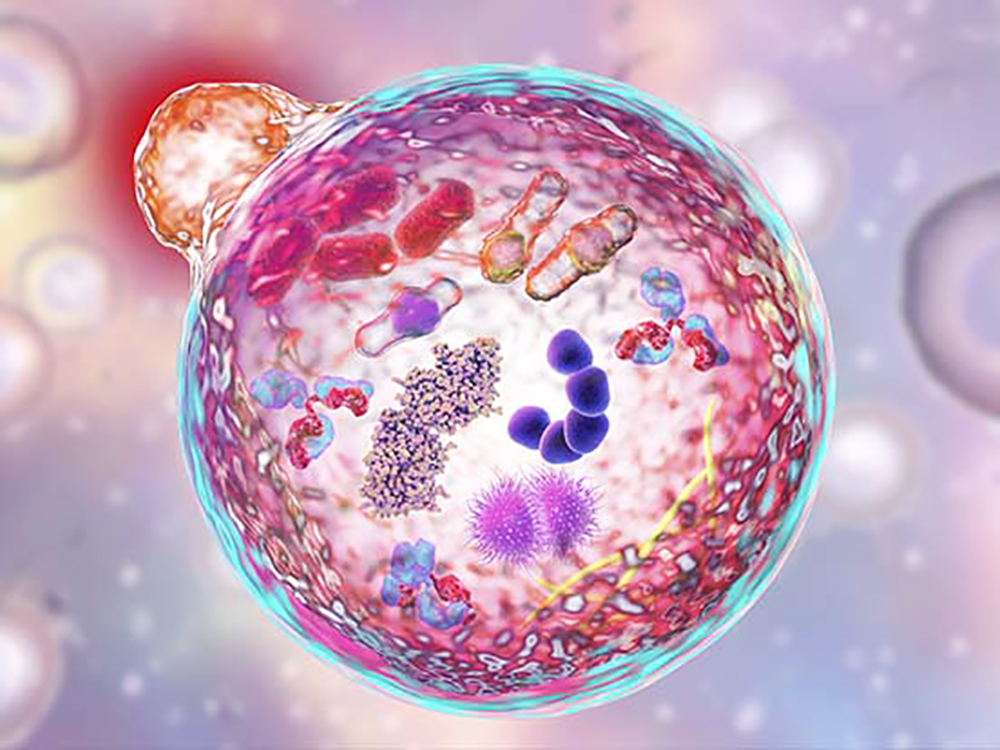
“Essentially, a membrane forms around material within the cells that has been marked for disposal,” explains Roberta Gottlieb, MD, a professor of cardiology and biomedical sciences at Cedars-Sinai in Los Angeles. “It encases that material in a membrane and then delivers it to the lysosome, which is full of digestive enzymes that can break down the cargo.”
“Those broken-down products are then transported out of the lysosome and back into the cytosol (the liquid inside cells) for use and repurposing,” Dr. Gottlieb says.
Autophagy happens during periods of fasting, and can occur naturally during sleep as it is a time without food.
3 POTENTIAL BENEFITS OF AUTOPHAGY
Autophagy happens naturally, but some scientists believe strategies to induce autophagy may help with longevity, weight loss, and the prevention of certain chronic diseases.
Some ways to induce autophagy include fasting, caloric restriction, eating a low-carbohydrate diet, and exercising.
Research into these benefits is still in the very early stages, and further work is needed to understand the impacts of autophagy on health including:
1. Longevity
Your cells’ ability to carry out autophagy is thought to decline with age. “As we age, autophagy starts to decrease in abundance and functionality,” Gottlieb explains. “It’s harder to turn it on, and it doesn’t work as well overall. So, it’s been suggested that being able to restore it or maintain autophagy throughout life would diminish the rate of ageing or increase our health span.”
Further, there are some animal studies that have found inducing autophagy is associated with extended lifespan and improved health, though it’s unclear whether this occurs in humans too.

- Weight Loss
“There is currently no evidence to show that inducing autophagy directly increases weight loss; however some research suggests that the process may impact the hormones that control hunger, like ghrelin, insulin, and glucagon,” says Kelly Kennedy, RDN, LDN, formerly a dietitian with Everyday Health.
“As a result, autophagy may decrease hunger and indirectly contribute to weight loss,” says Kennedy. Methods meant to induce autophagy, such as caloric restriction may also contribute to weight loss, but this is not always the most sustainable and healthy way to lose weight.
3. Chronic Disease Prevention
Studies have found that, along with ageing, the dysregulation of autophagy may be associated with certain chronic diseases including:
- Metabolic diseases like diabetes
- Certain cancers
- Neurodegenerative disorders like Parkinson’s disease and Alzheimer’s disease
Because of these findings, scientists are researching whether autophagy induction is a useful tool in preventing or treating these chronic diseases.
DIETS THAT PROMOTE AUTOPHAGY
“Autophagy can be affected by what and how we eat,” Kennedy says. “For example, evidence suggests that fasting and eating a low-carbohydrate diet may stimulate an increase in autophagy,” she notes.
Intermittent fasting for example has gained popularity in recent years as a method for weight loss. Research suggests that it may also offer other health benefits including reduced blood pressure, lowered cholesterol, and reduced inflammation.
The ketogenic or keto diet is another popular eating pattern. This medical diet focuses on low-carbohydrate and high-fat intake, and is often used as a treatment for seizures in children with epilepsy.
“It’s also often promoted as a weight loss diet, but results have been mixed and have only shown short-term results. But the keto diet has been shown to induce autophagy,” Kennedy says.
“Eating a very low-carbohydrate, high-fat diet like the ketogenic diet can increase autophagy as the body switches from burning carbohydrates to burning fat for its main source of energy,” Kennedy says.
Ultimately, there isn’t enough evidence to support specific diets to induce autophagy – plus, diets like intermittent fasting and keto are not safe for everyone. If you’re pregnant, breastfeeding, or have underlying health conditions like type 1 diabetes, talk to your doctor before trying these eating plans.
SIGNS AND SYMPTOMS OF AUTOPHAGY
“You don’t really experience any symptoms when autophagy is doing its thing,” Gottlieb says. “It’s meant to just kind of go on in the background.” That said, certain laboratory blood tests can be used to assess whether your cells are functioning properly and are carrying out autophagy, she adds.
SIDE EFFECTS OF AUTOPHAGY
The research is still preliminary, but some studies have found that excessive autophagy may carry risks. For example, research suggests that excessive autophagy may cause the death of cardiac cells, which may contribute to heart issues like cardiovascular disease.
Additionally, while some studies have found that autophagy may protect against cancer, Gottlieb says that some types of cancer cells actually benefit from autophagy for survival. In other words, autophagy may either suppress or promote the growth of certain cancerous cells.
Experts say that more research is needed to understand the relationship between autophagy and cancer.
SOURCE: Everyday Health