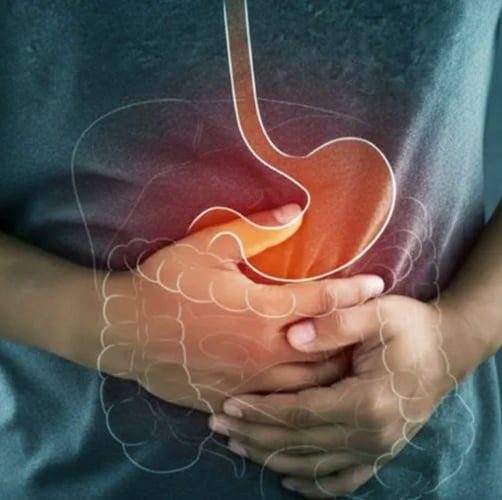
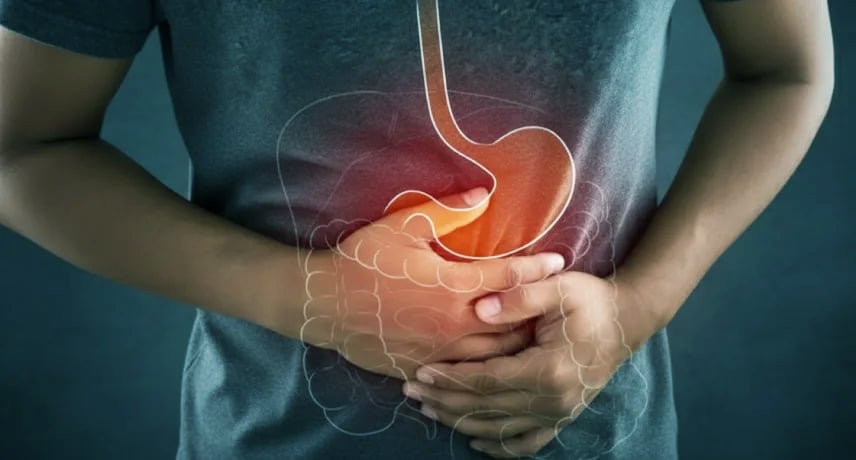
A new study has found that irritable bowel syndrome (IBS) risk could be cut by up to 42 percent if a participant adhered to three to five behaviour changes that boost overall wellbeing.
These behaviours include: never smoking, getting good sleep, exercising, eating a balanced diet, and reducing alcohol consumption to one drink daily (or a maximum of 5 to 15 grams [g] of alcohol per day).
Of these five behaviours, smoking cessation, sleep, and exercise were the three most effective behaviour changes to keep IBS symptoms at bay.
”In previous studies, some lifestyle factors, including smoking, sleeping, physical activity, diet, and alcohol consumption, were found to be independently associated with IBS,” says co-author of the research, Irene Xy Wu, PhD, a Professor at Xiangya School of Public Health at Central South University in China. “To our knowledge, this is one of the first prospective cohort studies to confirm the association of combinations of healthy lifestyle behaviours with lower incidence of IBS.”
What the Study Says
In Dr. Wu’s study, the researchers tracked outcomes in 64,268 adults in the United Kingdom, ranging in age from 37 to 73. Fifty-five percent of the participants were female. None of the participants had an IBS diagnosis at the start of the study. They were enrolled between 2006 and 2010, and researchers followed up on their health status and behaviours until 2022.
Participants self-reported information on healthy habits, including whether they smoked, slept at least seven hours a night, drank a low to moderate amount of alcohol, engaged in 75 minutes of vigorous physical activity every week, and ate a balanced diet consisting of vegetables, fruit, and whole grains every day.
During a period of just over 12.5 years, researchers recorded 961 cases of IBS (equivalent to 1.5 percent of the study’s participants). Of the total sample, here’s the breakdown of how many participants followed the five behaviours.
- Followed no behaviours: 7,604 participants (or 12 percent)
- Followed one behaviour: 20,662 participants (or 32 percent)
- Followed two behaviours: 21,901 participants (or 34 percent)
- Followed three or more behaviours: 14,101 participants (or 22 percent)
From the data, the researchers determined that one behaviour change was associated with a 21 percent lower risk of developing IBS, two were associated with a 36 percent lower risk, and three to five were linked with a 42 percent lower risk.
Although smaller than the risk-reduction from combined habits, three healthy practices in particular were independently associated with a lower risk of IBS. The research produced the following data.
- Never smoking: Participants had a 14 percent lower risk of developing IBS.
- Getting vigorous exercise: Participants had a 17 percent lower risk of developing IBS.
- Sleeping for seven hours: Participants had a 27 percent lower risk of developing IBS.
There is, however, one surprising finding authors noted:
Drinking a moderate amount of alcohol combined with the other four healthy lifestyle behaviours led to a more significant drop in IBS risk than complete abstention from alcohol.
As to why this is, scientists say further investigation is needed, but it could be because of social interactions associated with alcohol and their contribution to overall wellbeing.
The study authors emphasised that the analysis in this study was observational – it showed an association but did not establish that these healthy practices prevented IBS. This study simply shows that these behaviours can potentially lower your risk of getting an IBS diagnosis.
Understanding IBS Triggers
Janna Assar, MD, a family medicine specialist with Banner Health in Phoenix, and an IBS patient herself, knows how these healthy habits may alleviate symptoms, and how negative behaviours seem to make the condition worse.
She stresses that certain foods can also trigger IBS symptoms, such as spicy dishes, dairy products, caffeine, gluten, and alcohol. High-fat foods and carbonated beverages may also contribute to IBS symptoms.
“Poor sleep leads to the body not being able to rest and repair, thus causing more stress to the body,” says Dr. Assar, who calls this study one of the largest to examine how lifestyle factors correlate to IBS. “When the body is stressed, this can amplify IBS symptoms.” Assar says that regular physical activity can help reduce stress and promote healthy digestion.
She adds that nicotine has been shown to increase the production of stomach acid, thus worsening IBS symptoms. “It may also constrict vessels, aggravating IBS,” she says. “We also know that smoking increases the chances of developing stomach ulcers, which are more likely to perforate if you are a smoker.”
IBS Symptoms and Treatments
The International Foundation for Gastrointestinal Disorders estimates that IBS affects between 25 and 45 million people in the United States. People who have IBS may experience symptoms such as abdominal pain, diarrhoea, constipation, and bloating.
While research for IBS treatments is ongoing, some remedies are currently available. If you have mild symptoms of IBS, your healthcare provider may recommend certain lifestyle changes, such as avoiding foods that trigger your symptoms, getting plenty of sleep, increasing your water intake, and exercising.
But if your symptoms are more severe, medications may help. Depending on your symptoms, your healthcare provider may prescribe you fibre supplements to improve constipation, antidiarrhoeal medication to control diarrhoea, pain medications to combat chronic pain and bloating, antidepressants to manage depression or high stress (which may also have beneficial effects on the GI tract as well), or IBS-specific medications like receptor agonists.
If you have IBS, it’s also important to keep in contact with your healthcare provider and update them about your symptoms and treatments. If symptoms worsen or treatment isn’t as effective as you’d like it to be, they can help you figure out alternative options to improve your quality of life.
SOURCE: Everyday Health