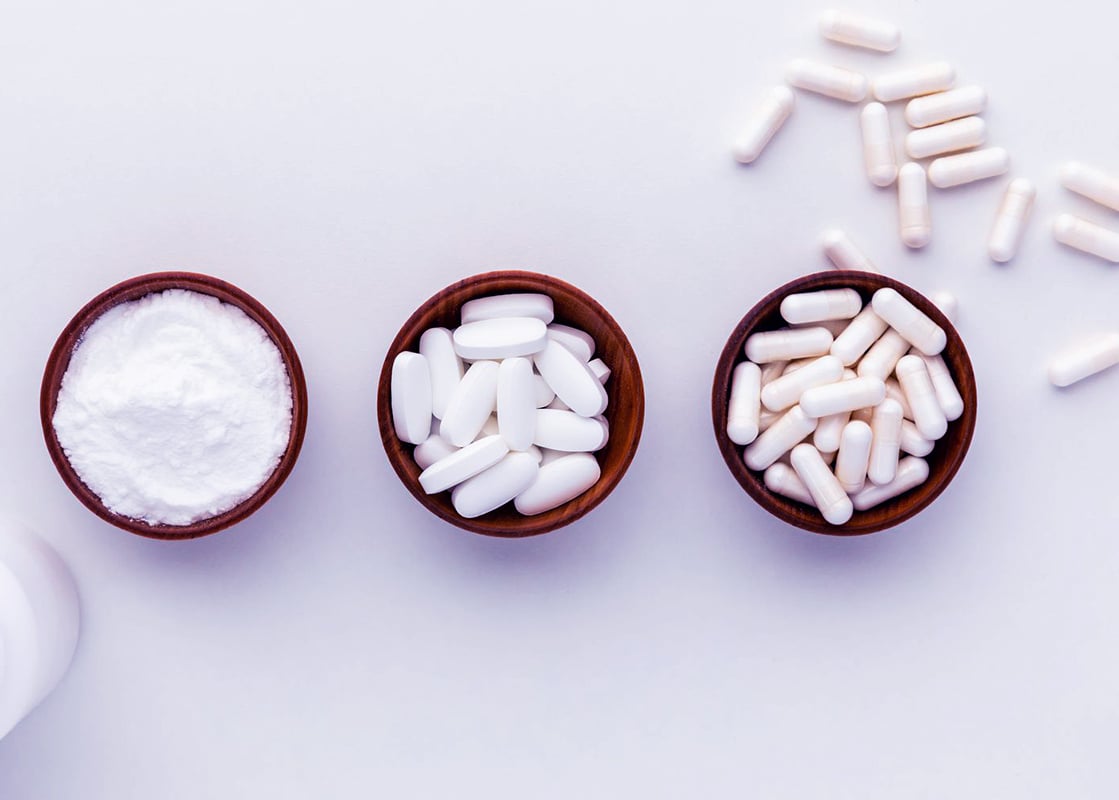
N-acetylcysteine (NAC) is a medication and a dietary supplement derived from the amino acid L-cysteine. As a drug, it’s approved for treatment of acetaminophen (Tylenol) overdose by the U.S. Food and Drug Administration (FDA), but research suggests its supplement form may have other potential health benefits.
NAC is believed to boost the antioxidant glutathione, which improves liver and respiratory health and may play a role in fertility.
NAC has also been prescribed since the 1960s to thin mucus in the respiratory tract. But its use as an over-the-counter (OTC) supplement is relatively new.
Currently, NAC is available in both prescription and OTC forms, but in 2023, the FDA completed a systematic review of safety information related to NAC, and it’s now going through the peer review process to determine if it should be sold as a dietary supplement.
“NAC is not naturally found in foods,” says Thomas Holland, MD, an Instructor in the Department of Internal Medicine in the Division of Digestive Diseases and Nutrition at the Rush Institute for Healthy Aging in Chicago. “It is a synthesised, acetylated form of the amino acid cysteine,” he explains.
“However, cysteine, the precursor to NAC, is abundant in high-protein foods.”
Potential Health Benefits of NAC
Scientists are still uncovering potential health benefits for NAC, but below is a list of some of the effective uses for this medicine, including possibly as a dietary supplement.
Treats Tylenol Overdose
NAC’s most established medical use is as a treatment for Tylenol overdose. Although acetaminophen is relatively safe at therapeutic doses, it can lead to liver failure. Adults shouldn’t take more than 3,000 milligrams (mg) of acetaminophen per day, and less if you’re 65 or older. Typically, 7,000 mg or more per day is considered a severe overdose risk. Symptoms of overdose may include:
- abdominal pain or upset stomach
- appetite loss
- diarrhoea, nausea or vomiting
- coma
- Seizures
However, “strong clinical evidence shows NAC prevents liver failure by rapidly replenishing glutathione,” says Dr. Holland.
NAC in IV form is approved by the FDA for treating acetaminophen overdoses, and is almost 100 percent effective if given within 8 hours of ingesting too much.
May Support Liver Health
“NAC might also aid with other liver conditions,” says Danielle VenHuizen, RDN, the owner of Food Sense Nutrition in Seattle. Research suggests NAC may be helpful for those with fatty liver, which affects over 40 percent of American adults.
“By restoring glutathione levels, NAC can help lower the oxidative stress that drives fatty liver disease,” VenHuizen says.
Non-alcoholic fatty liver disease is also referred to as metabolic dysfunction-associated steatotic liver disease (MASLD), and fatty liver disease related to heavy drinking is known as alcohol-associated liver disease.
May Improve Lung Health
“NAC is a mucolytic compound, meaning it breaks down and thins mucus,” says Amy Brownstein, RD, the owner of Nutrition Digested in San Francisco. “This makes it easier to cough up phlegm and clear it out of the lungs.”
“Because of this benefit, research suggests that NAC may help with chronic respiratory conditions by making it easier to breathe.”
For example, in one Italian meta-analysis of 20 studies, researchers concluded that treatment with NAC was associated with improved symptoms and quality of life in people with chronic obstructive pulmonary disease (COPD) and pre-COPD.
May Boost Mental Health
“Studies on mental health conditions such as obsessive-compulsive disorder (OCD), substance use disorders, and mood disorders like depression and bipolar disorders suggest NAC may modulate glutamate signalling – one of the brain’s key chemical messengers – and reduce oxidative stress,” says Holland. “But the evidence here is mild-to-moderate and still developing,” he adds.
A review from Taiwan of 12 studies, which included 904 participants evaluated over a range of 8 to 24 weeks, for example, indicated that NAC improved depressive symptoms in patients with psychiatric problems, particularly bipolar disorder.
But researchers stressed that large-scale clinical trials were necessary to confirm this benefit.
May Promote Male Fertility
According to Brownstein, NAC may also help with sperm production and testicular function. For example, in one Chinese research study, more than 400 men with infertility (without an identified cause) who took 600 mg per day of oral NAC for three months experienced improvement in sperm quality, including its concentration, ejaculate volume, and motility.
May Enhance Sports Performance and Recovery
NAC’s antioxidant properties have also made it popular with athletes as a sports performance supplement, although research suggests the results on how well it aids recovery are mixed.
“NAC may help muscles endure strenuous workouts by reducing oxidative stress that drives fatigue,” says VenHuizen. “NAC helps preserve the muscle’s antioxidant reserves, which can help you work harder and recover faster.”
A Spanish systematic review of 16 studies found that adult men who most commonly supplemented with 1,200 mg daily for up to three weeks experienced significant improvements in exercise performance, antioxidant capacity, and the depletion of their glutathione levels. Antioxidant capacity is defined by its ability to effectively neutralise free radicals.
Weight Loss Effect of NAC
Thus far, the potential weight loss effects of NAC have not been widely studied. Some older research found that it may reduce visceral fat in people with obesity, but studies have largely been small, test-tube based, or animal based.
More recent studies have found that NAC may help reduce some of the complications of obesity, including inflammation, fasting blood sugar, and reduced insulin levels. NAC didn’t significantly change body weight, body mass index (BMI) or waist circumference.
Potential Risks and Side Effects of NAC
N-acetylcysteine (NAC) is generally considered safe for most adults when taken in recommended doses, but it can cause side effects and carries risks for people who are taking certain medications.
Risks
According to Holland, because NAC can influence brain signalling pathways and antioxidant systems, it may interact with certain medications. These include nitroglycerin, a pill that reduces the workload on your heart, antidepressants such as imipramine. and escitalopram.
If you’re considering taking NAC, it’s best to discuss it first with your healthcare team.
Side Effects
Side effects are relatively rare with NAC supplements, Holland says, but some possibilities include stomach upset, diarrhoea, nausea, vomiting, fatigue, eye irritation and skin rash.
Food Sources of NAC
“Technically, NAC isn’t found in foods. But foods can contain cysteine, the precursor to NAC, as well as sulphur-containing compounds that support the body’s internal production of cysteine and glutathione,” says Holland.
“While consuming these foods helps maintain overall antioxidant capacity, they do not provide NAC directly and are not a replacement when it is needed for medical purposes,” he explains, such as with Tylenol overdose.
That said, you’ll find cysteine in poultry, fish, meat, eggs, dairy, legumes, nuts and seeds.
Meanwhile, these foods contain sulphuric compounds: broccoli, cabbage, brussel sprouts, garlic and onions.
How to Select and Store NAC
If you’re interested in taking NAC, it’s important to consult your doctor before you do. If your healthcare team determines NAC supplementation is safe for you, they can help you choose a high-quality product at the right dosage.
Dosage of NAC
Typically, the dosage of NAC when used as a drug is licensed dose is 600 to 1,200 mg a day, but some clinical trials have studied its effect at doses up to 3,000 mg a day. There isn’t a single universally recommended supplement dose.
“It may be tempting to think more is better, but it’s important to treat NAC like a medication and only take as directed,” says VenHuizen. “Higher doses may be recommended in certain conditions, but it’s important to get advice from a medical professional first.”
SOURCE: Everyday Health